INSPECT, DESLUDGE AND REPAIR YOUR STS



| 10. | 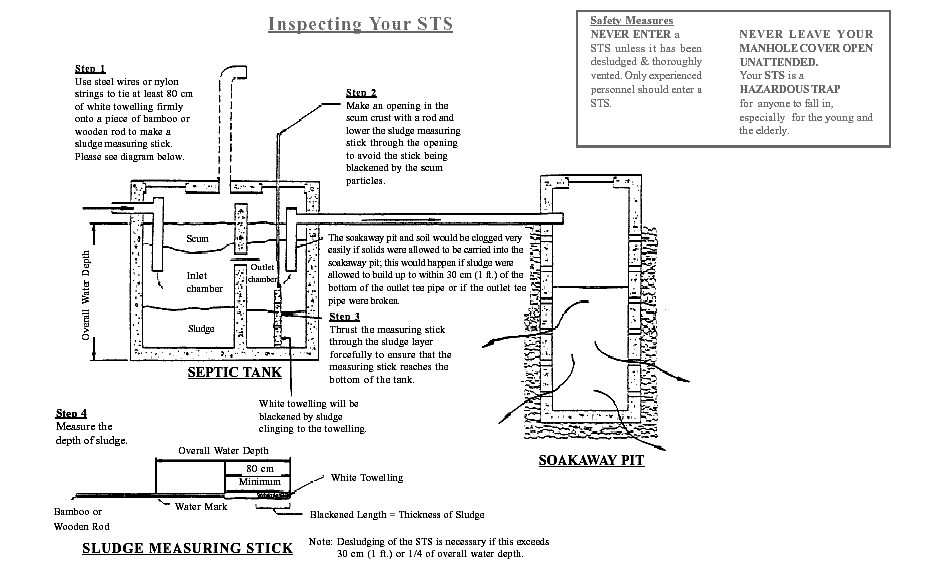 Do inspect your STS and measure the depth of sludge at least once every 6 months. More frequent inspection and desludging might be necessary for heavily used STS's. Do inspect your STS and measure the depth of sludge at least once every 6 months. More frequent inspection and desludging might be necessary for heavily used STS's. |
|
It is recommended that you hire experienced personnel to regularly inspect your STS under your observation, and to desludge your STS whenever necessary.
|
|
| 11. | Do inspect your STS immediately whenever
|
| 12. | Do desludge your STS whenever
|
| 13. | 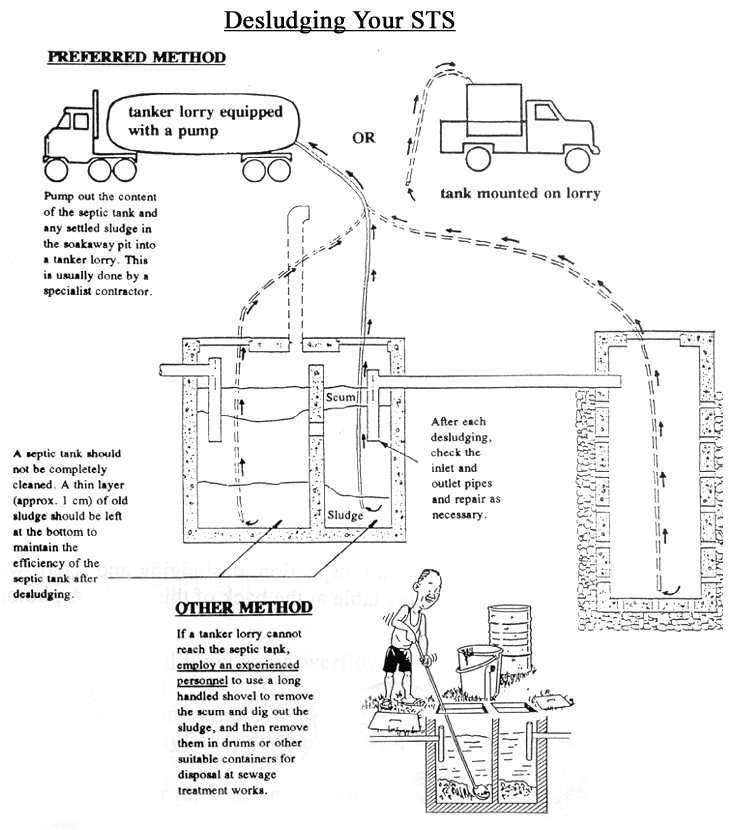 Do dispose of your STS sludge properly. Sludge removed should be transported by specialist contractors to sewage treatment works for disposal. The Food and Environmental Hygiene Department may, subject to the availability of resources, also provide desludging services to private STS on a chargeable basis. For enquiries, please refer to the table on page 12. Do dispose of your STS sludge properly. Sludge removed should be transported by specialist contractors to sewage treatment works for disposal. The Food and Environmental Hygiene Department may, subject to the availability of resources, also provide desludging services to private STS on a chargeable basis. For enquiries, please refer to the table on page 12. |
| 14. | Do inspect if there is any defect in your drainage system or STS after each desludging. If so, repair the defect before resuming discharge into your STS. 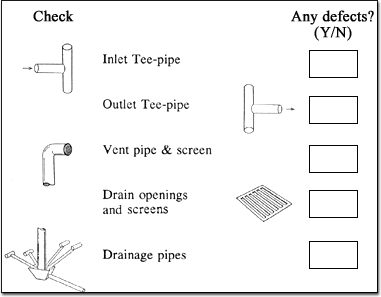 |
| 15. | Do keep a record of all inspection, desludging and repair work carried out at your STS. Use the table at the back of this book. A photograph can save a lot of words. 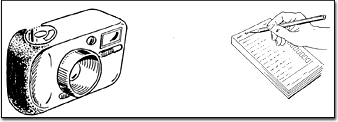 |