In order to facilitate enhanced public engagement in the EIA process, the Project Proponent has produced this 3D visualization of the major findings of the EIA Report and key elements of the Project. This 3D visualization does not purport to be a full and complete depiction of the EIA Report and has been prepared on the basis that users will also carefully read and consider the complete EIA Report. The full EIA Report sets out important details and additional background so should be read for a better understanding and before forming any opinion. In the event of any inconsistency between this 3D visualization and any implied representation of the EIA Report, the details in the EIA Report shall prevail. Users are responsible for making their own assessments of all the information contained in or in connection with this 3D visualization and are advised to verify such information by making reference to the EIA Report.
The Project Proponent is the owner of all rights in the contents of this 3D visualization. Users are not allowed to adapt, modify, reproduce, publicly display, perform, distribute, translate or use materials in this 3D visualization for any public or commercial purposes (apart from matters related to the EIA process) without the express written authorization of the Project Proponent. Any unauthorized use of such materials may violate copyright, trademark or other laws. The Project Proponent assumes no risk, loss, responsibility or liability whatsoever arising from or connected to any unauthorized use of such materials.
The graphics/photographs represent an artistic impression of the Project for illustrative purpose only. The surrounding environment may have been edited and processed with computerized image techniques.
Only English version is available for this 3D visualization.
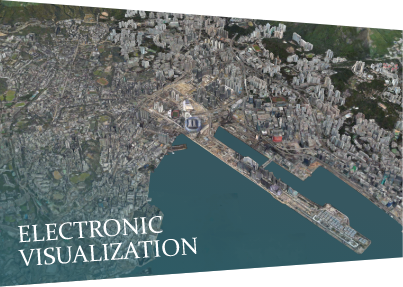
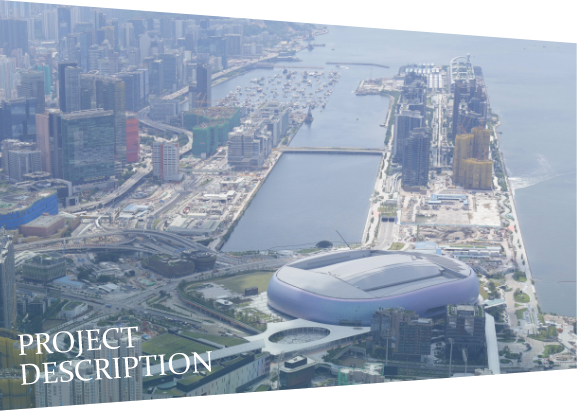
The Smart and Green Mass Transit System in Kai Tak (KTGTS) alignment sits mainly on reclaimed land formed since 1925 and is the former runway of Kai Tak Airport. The Project is a smart and green mass transit system of about 3.5 kilometers long elevated viaduct and six associated stations from Kai Tak Cruise Terminal to the existing MTR Kai Tak (KAT) Station at Kai Tak Station Square to strengthen the connection among the residential and commercial developments at the Former Runway of Kai Tak, including facilities focused on tourism, recreation, sports and the community.
Smart and Green Mass Transit System in Kai Tak (hereafter refer as the Project), which serves as a light and green feeder service to nearby railway station within the area to strengthen connections among the residential and commercial developments, facilities focused on tourism, culture and recreation, sports and the community within the area, as well as the connection with the railway network, serving visitors and a living and working population of around 50,000. The Project was also included in “Hong Kong Major Transport Infrastructure Development Blueprint” issued by Transport and Logistics Bureau in December 2023.
The Project will include the construction and operation of approximately 3.5km long elevated smart and green mass transit system from Kai Tak Cruise Terminal to the existing MTR Kai Tak (KAT) Station at Kai Tak Station Square to strengthen the connection among the residential and commercial developments at the Former Runway of Kai Tak, including facilities focused on tourism, recreation, sports and the community.
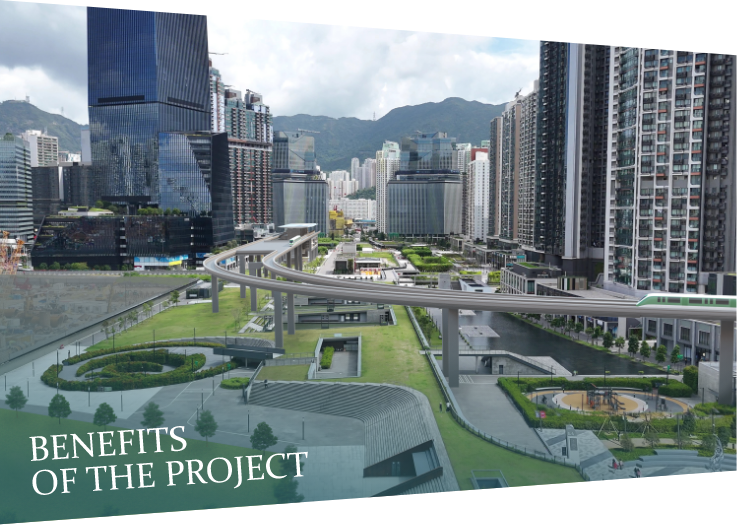
The proposed smart and green mass transit system will relief road traffic pressure, in particular during the arrival and departure of mega cruises; and before and after large-scale events, in the area. Being electricity powered, the air quality will be improved with the reduction in vehicular emission. The road traffic noise nuisance will also be minimised.
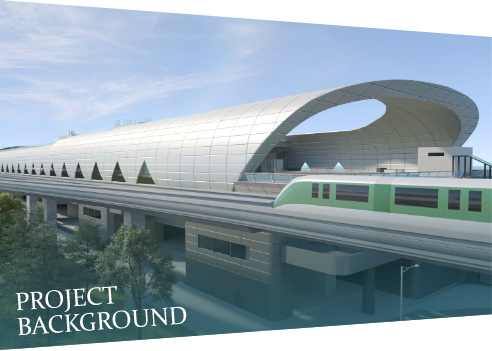
The Project adopts cutting-edge energy-efficient technologies, including battery-powered vehicles equipped with rubber tires to minimise noise pollution and eliminate the need for overhead power lines, thereby reducing both construction complexity and environmental footprint. Stations are designed with open, naturally ventilated, and green features to promote passenger comfort and sustainability.
Beyond environmental advantages, the KTGTS promotes the sustainable development of the Kai Tak area by reducing reliance on private vehicles, improving air quality, quality of life, and community well-being. By facilitating frequent, reliable, and environmentally friendly transit, the system enables more sustainable patterns of living, working, and recreation. This, in turn, supports the area’s long-term environmental sustainability, encourages green commuting habits.