
- Background
- Implementation Details
- Vehicle Emissions Standard
- Helpful Tips
- Frequently Asked Questions
- Download Area
Background
Studies have shown that poorly maintained petrol and LPG vehicles can emit up to 10 times more pollutants than well maintained ones, which worsens roadside air quality.
To further improve our roadside air quality, from 1 September 2014 onwards, the Government implemented a strengthened vehicle emissions control regime for petrol and liquefied petroleum gas (LPG) vehicles to enforce vehicle emission standards of carbon monoxide, hydrocarbons and nitrogen oxides.
Implementation Details
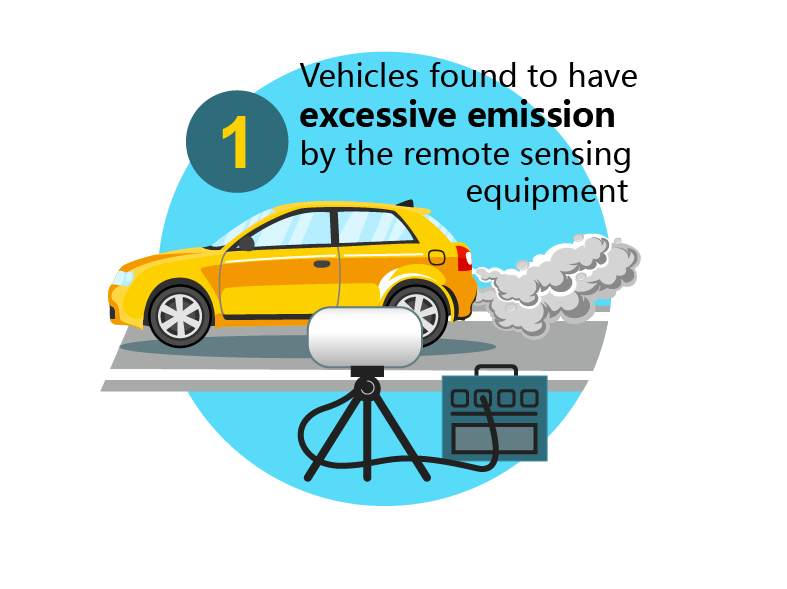
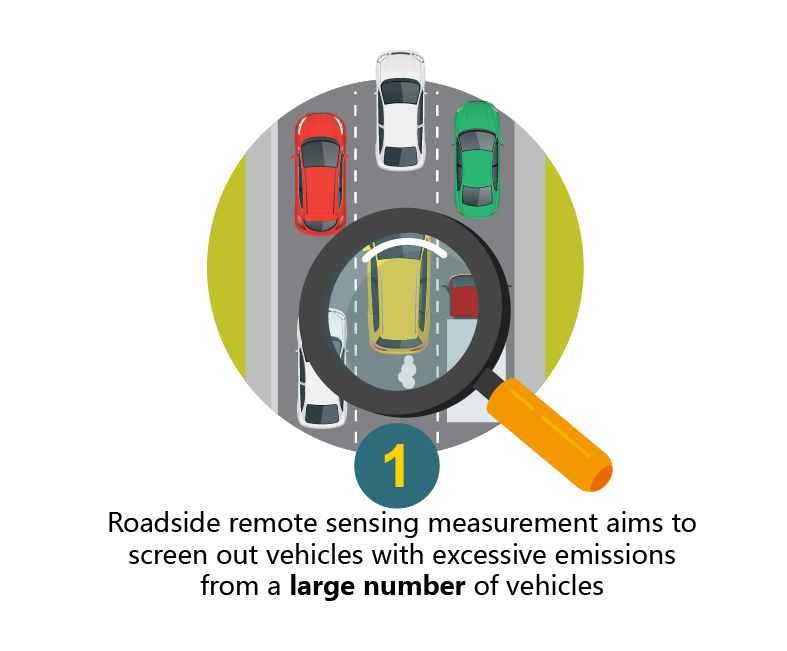
EPD deploys mobile remote sensing equipment at roadsides to screen out petrol and LPG vehicles with excessive emissions without stopping them.
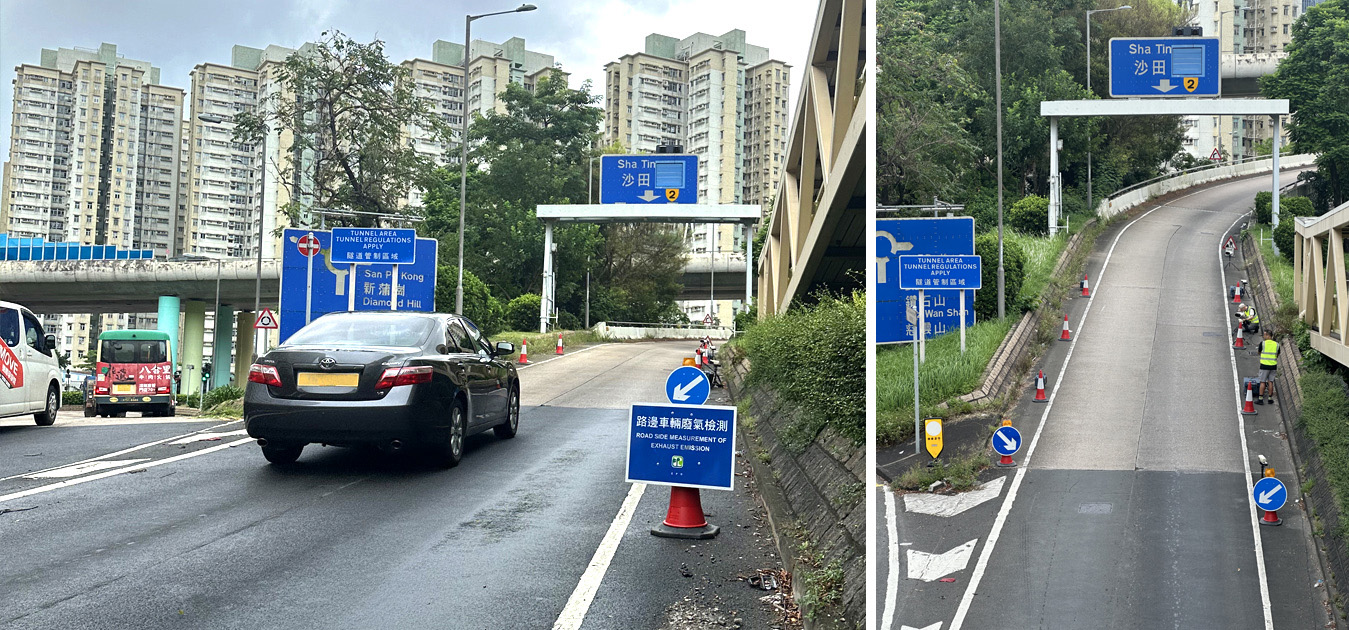
Real-time capture of emissions of vehicle in motion
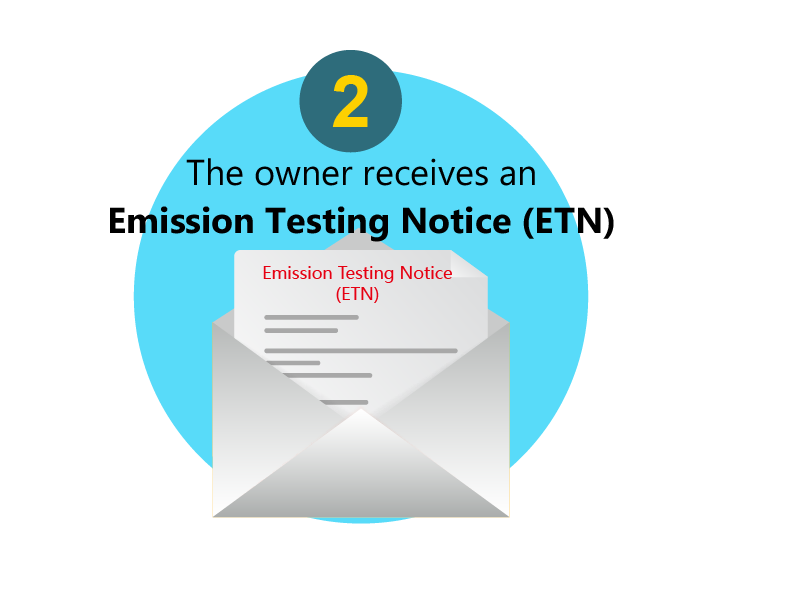
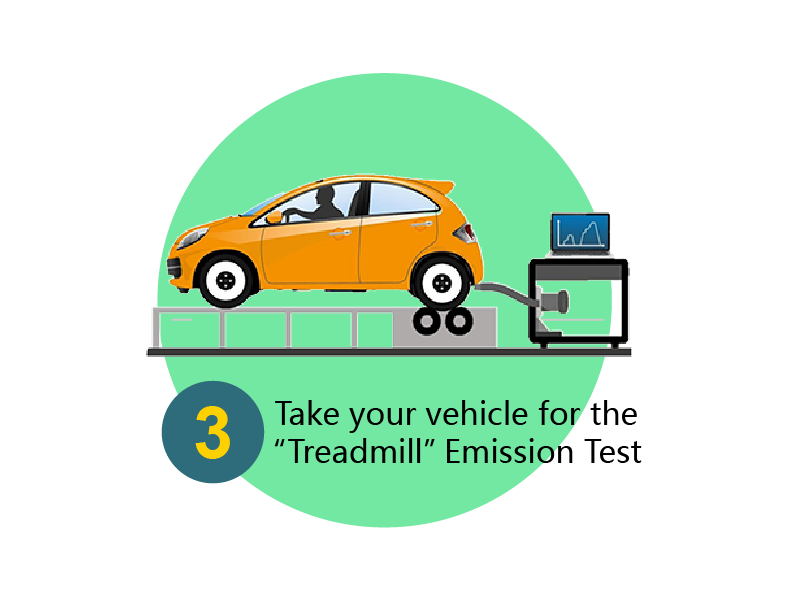
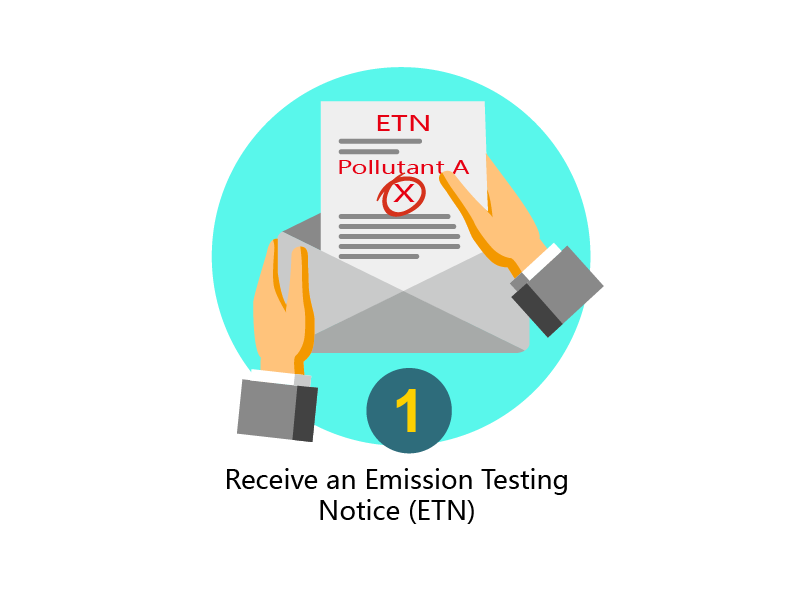
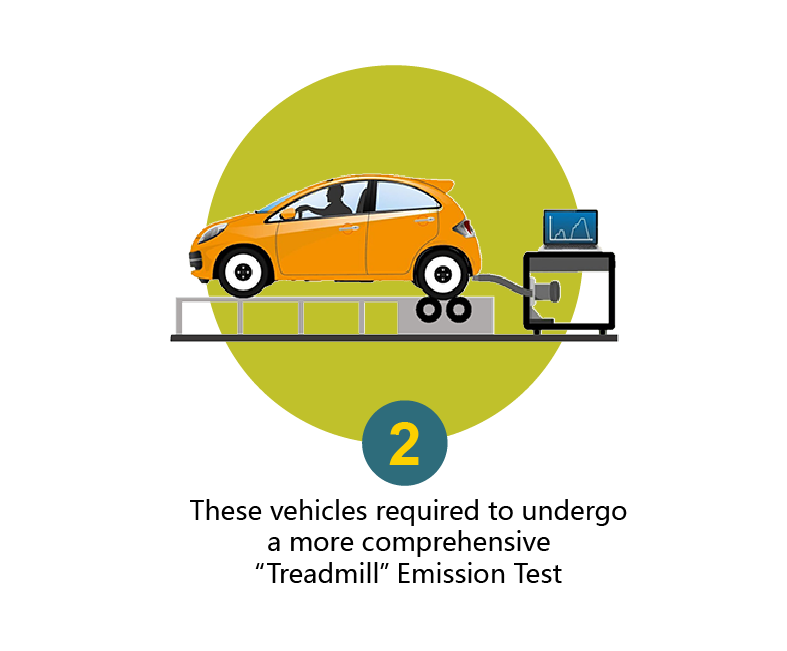
If a vehicle is found to have exceeded its applicable emissions standard, the owner will receive an Emission Testing Notice (ETN) and must have the vehicle tested and passed the “Hong Kong Transient Emission Test on Chassis Dynamometer” (commonly known as the "Treadmill" Emission Test) at an EPD's Designated Vehicle Emission Testing Centre (DVETC) within 12 working days.
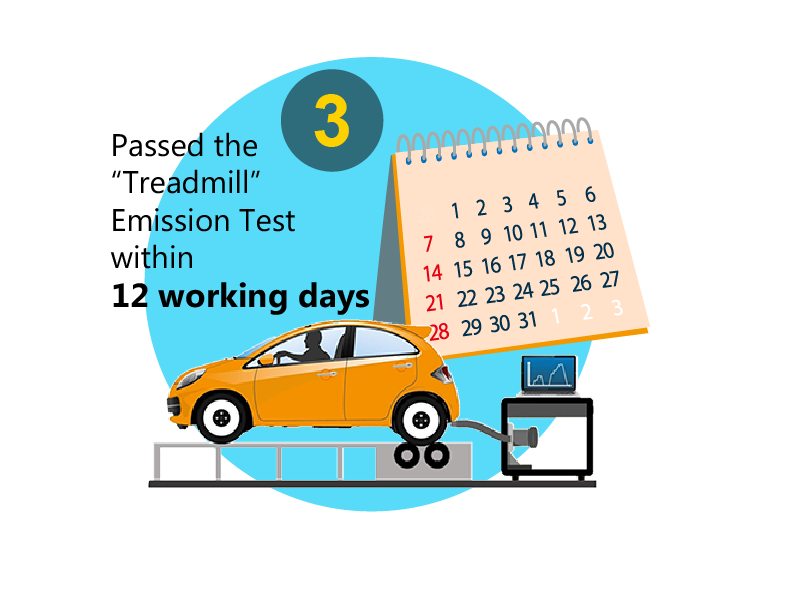
Failure to comply with the requirement will lead to cancellation of the vehicle licence by the Commissioner for Transport.
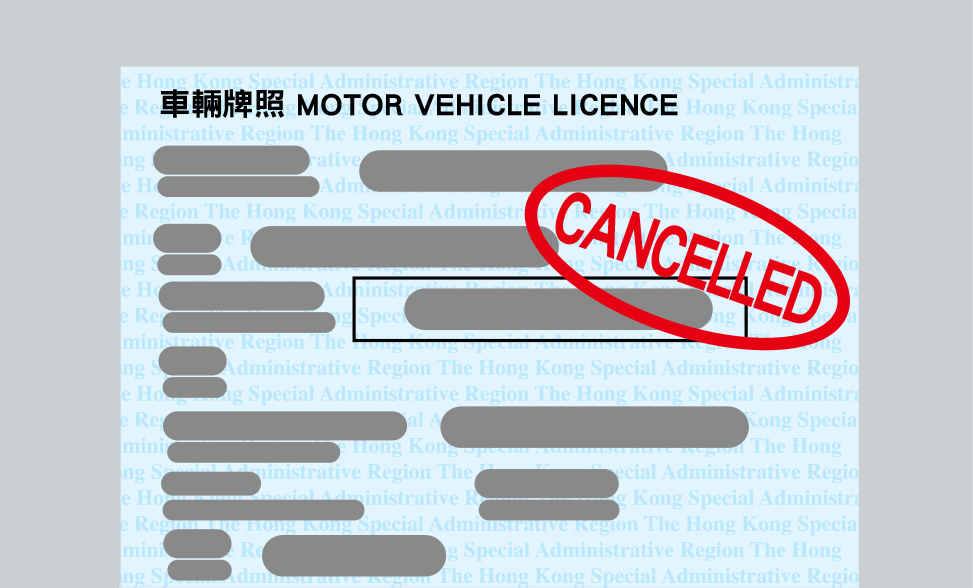
Cancellation of the vehicle licence
Vehicle Emissions Standard
 > Vehicle Emission Standards
 - Petrol Private Car / Petrol Taxi
- Petrol Light Goods Vehicle
- LPG Taxi
- LPG / Petrol Light Bus
Helpful Tips
Proper maintenance is essential to prevent excessive emissions. It is a good practice to have your vehicle serviced regularly according to the schedule recommended by the manufacturer. If your vehicle is equipped with catalytic converters, you should replace them before the end of their service life.
Proper vehicle maintenance does not only reduce emissions, but also enhances driving performance and lowers fuel consumption.
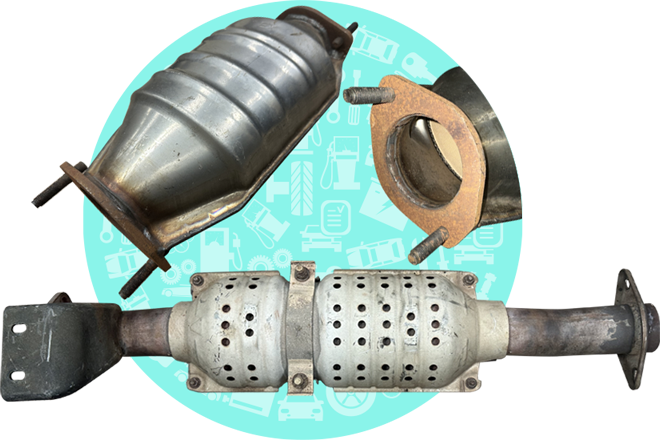
Samples of Catalytic Converters
Frequently Asked Questions
- The owner needs to pay a fee of $620 for each test done at an EPD's DVETC.
- The in-use vehicle emission standard is set according to the design standard which varies with the year of manufacture of the vehicle. The limits are two times of that in the design standard.
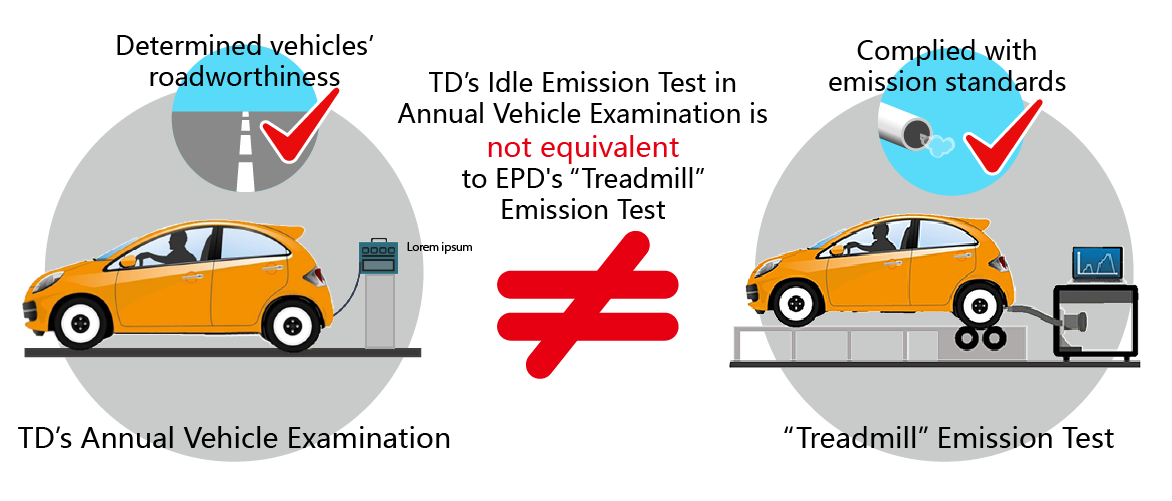
- All petrol and LPG vehicles (except motor cycles, motor tricycles and vehicles manufactured before January 1, 1975) are required to undergo the TD’s Idle Emission Test during the Annual Roadworthiness Inspection (commonly known as “Annual Vehicle Examination”). However, nitrogen oxides (NOx), which are the main pollutants affecting roadside air quality, cannot be detected by the test.
- Furthermore, among the numerous petrol and LPG vehicles undergoing the Annual Vehicle Examination, only a small percentage of these vehicles will fail the EPD’s “Treadmill” Emission Test due to excessive emissions. If the TD requires all the vehicles to undergo the “Treadmill” Emission Test during the examination, the extra testing time and cost will unnecessarily and significantly burden the vast majority of the vehicle owners who have their vehicles properly maintained.
- For cost-effectiveness, starting from 2014, the EPD deploys the remote sensing devices to screen out the petrol and LPG vehicles emitting excessively. Emission Testing Notices will be issued accordingly requiring these vehicles to undergo the EPD’s “Treadmill” Emission Test. This measure, in parallel with the basic emission requirements of the TD’s Annual Roadworthiness Inspection that aiming at pragmatically reducing roadside air pollution, strengthens the emissions control for the petrol and LPG vehicles.
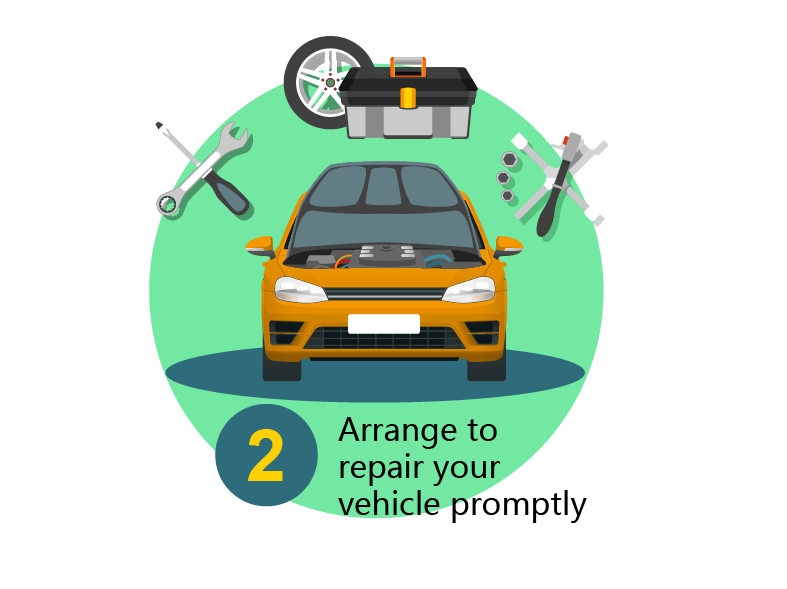
- If you receive an ETN, it means your vehicle has been screened out to be emitting excessively. You should repair your car promptly and take your vehicle to an EPD’s DVETC for the “Hong Kong Transient Emission Test on Chassis Dynamometer” before the deadline as stated on the ETN. You may contact EPD and apply in writing for extension of emissions test due date if you have practical difficulties in passing the emissions test as required on the ETN.
- Not necessarily. Vehicles emit various regulated pollutants while driving. Addressing only the emission issues of the pollutant mentioned in the "Emission Testing Notice" and ignoring potential issues with other regulated pollutants cannot ensure that the vehicle will pass the "Hong Kong Transient Emission Test on Chassis Dynamometer".
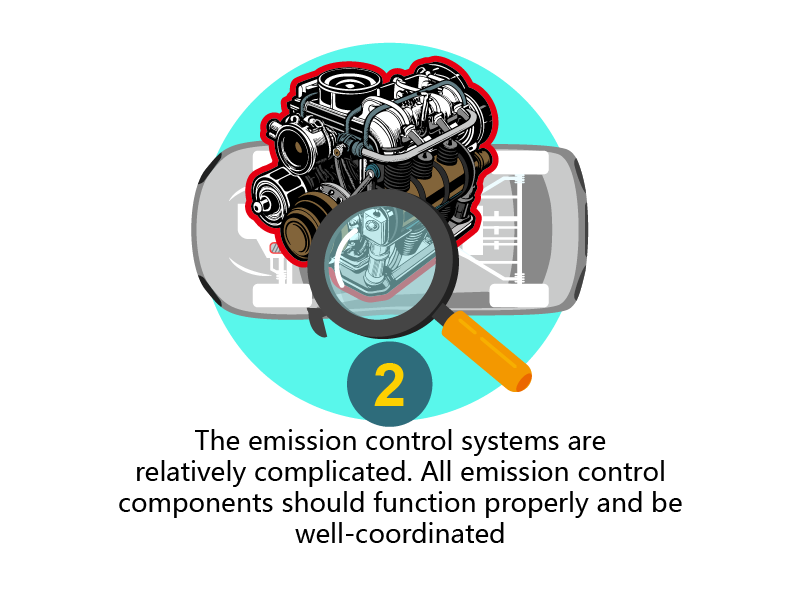
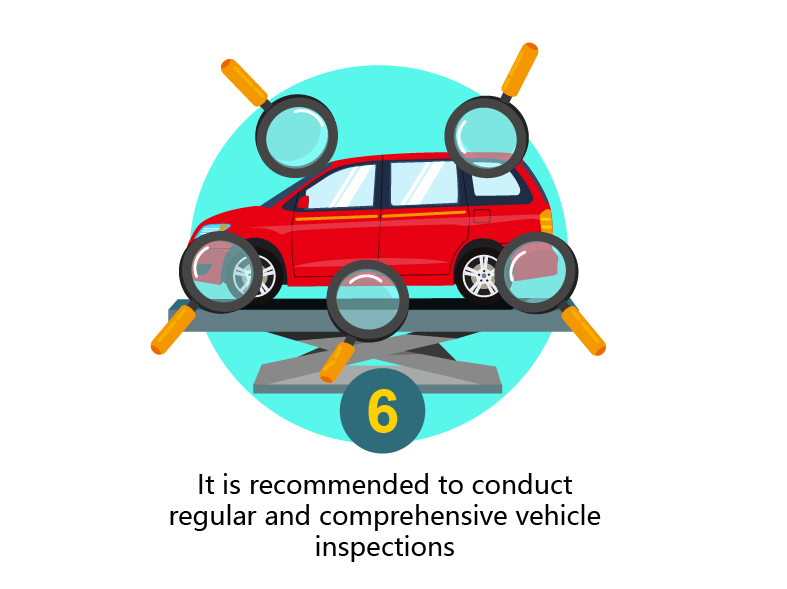
- For those vehicles manufactured in the 1990s and after, the emission control systems are relatively complicated. All emission control components should function properly and be well-coordinated, otherwise emissions may become unstable. Additionally, when one type of pollutant is excessively emitted, it may chemically react with the other pollutants and these pollutants with reduced concentration might not be detected under the remote sensing measurements. If the vehicle undergoes partial repairs or engine adjustments before undertaking the "Treadmill" Emission Test, these pollutants previously not detected under the remote sensing measurements might be found out by the "Treadmill" Emission Test, causing different results between the "Treadmill" Emission Test and remote sensing measurement. Therefore, partial repairs or mere engine adjustments are unlikely to resolve the overall vehicle emission issues. To effectively address vehicle emission problems, the Environmental Protection Department recommends that vehicle owners should hire competent technicians for regular and comprehensive vehicle inspections.
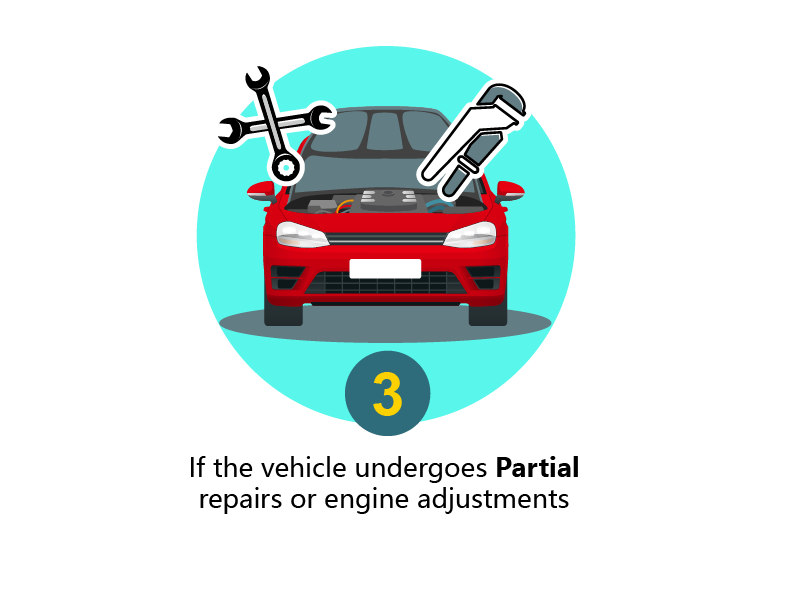
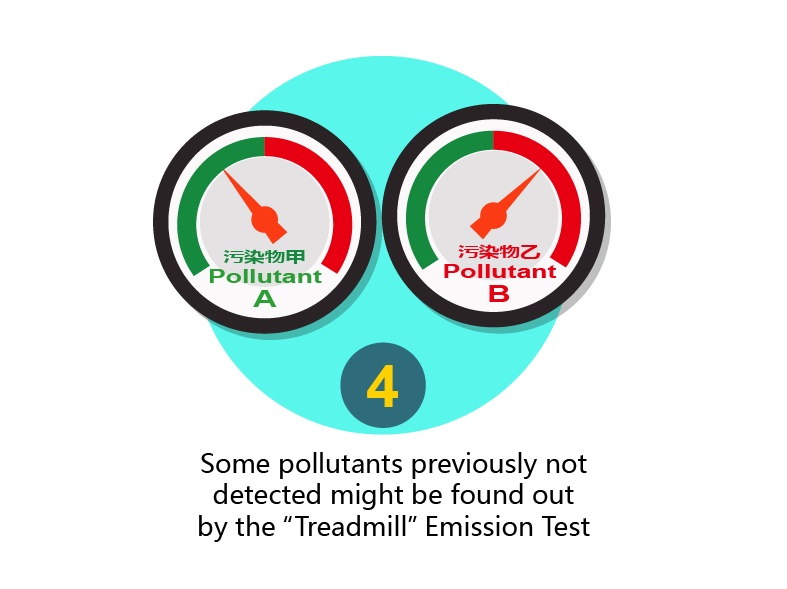
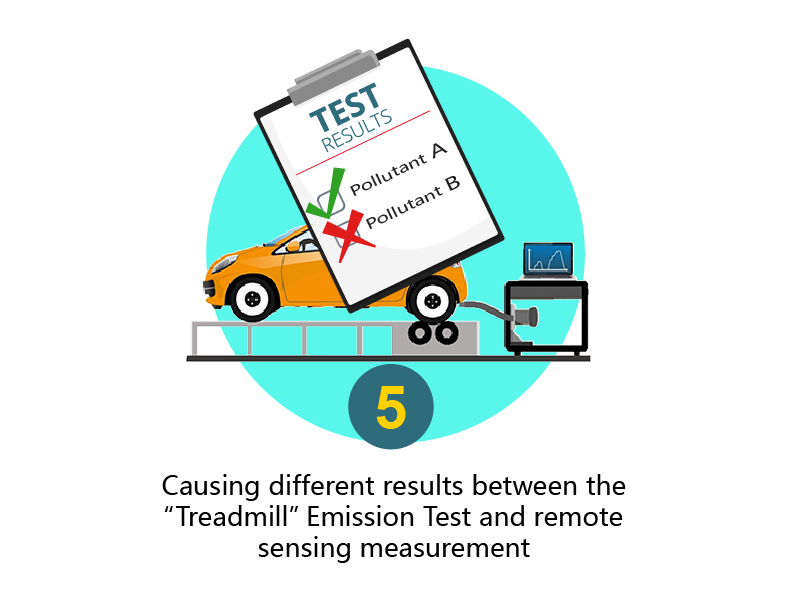
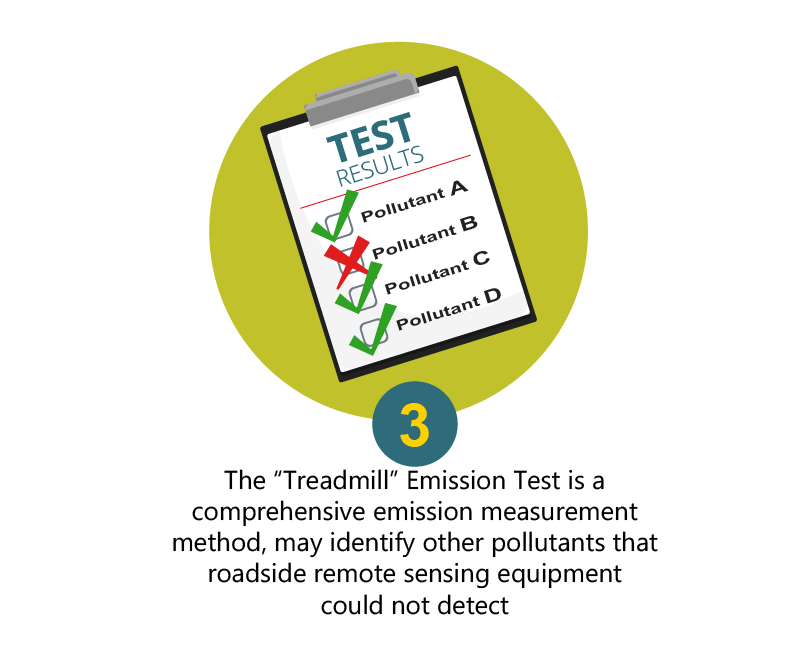
- Roadside remote sensing measurement and the "Hong Kong Transient Emission Test on Chassis Dynamometer", commonly known as the "Treadmill" Emission Test, may yield different results regarding which pollutant(s) is (are) being emitted excessively. This does not imply that the EPD's roadside remote sensing measurement is inaccurate.
- Roadside remote sensing measurement aims to screen out vehicles with excessive emissions from a large number of vehicles. These excessively emitting vehicles are then required to undergo a more comprehensive emission test, known as "Treadmill" Emission Test.
- The EPD's remote sensing equipment is designed and manufactured according to international standards. The remote sensing measurement data has undergone multiple quality assurance procedures to ensure that the EPD will not issue the "Emission Testing Notices" to vehicle owners whose vehicles without exceeding the emission limit. The "Treadmill" Emission Test is a comprehensive emission measurement method that can simulate the vehicle's driving condition on road and measure the vehicle's emissions during the "Treadmill" Emission Test. Therefore, the "Treadmill" Emission Test may identify other excessive pollutants that roadside remote sensing equipment, which measures emissions in a snapshot, could not detect.
Download Area
 > Poster
  > Promotion Video (1)
  > Hong Kong Transient Emission Test on Chassis Dynamometer (Petrol and LPG Vehicles) Technical Seminar - Presentation (Chinese version only)