Integrated Waste Management Facilities
Objective

Technology
Advanced technologies are able to reduce pollutant emissions from incineration effectively. For example in Germany, the amount of waste incinerated in year 2000 doubled that in 1990, but due to the adoption of advanced control technologies, the dioxin emission was only one-thousandth of that in 1990. Overseas experience and studies have also demonstrated that advanced incineration plants that comply with stringent emission standards will not cause adverse health impacts.
I·PARK1 adopts advanced incineration technology to ensure effective decomposition of organic compounds including dioxins. In addition, I·PARK1 employs highly efficient air pollution control systems for treating flue gas emissions, ensuring that the air pollutants, such as acidic gases, nitrogen oxides, etc. comply with emission standards stipulated in the Specified Process Licence issued under the Air Pollution Control Ordinance (Cap. 311), in order to safeguard the environment and the public health.
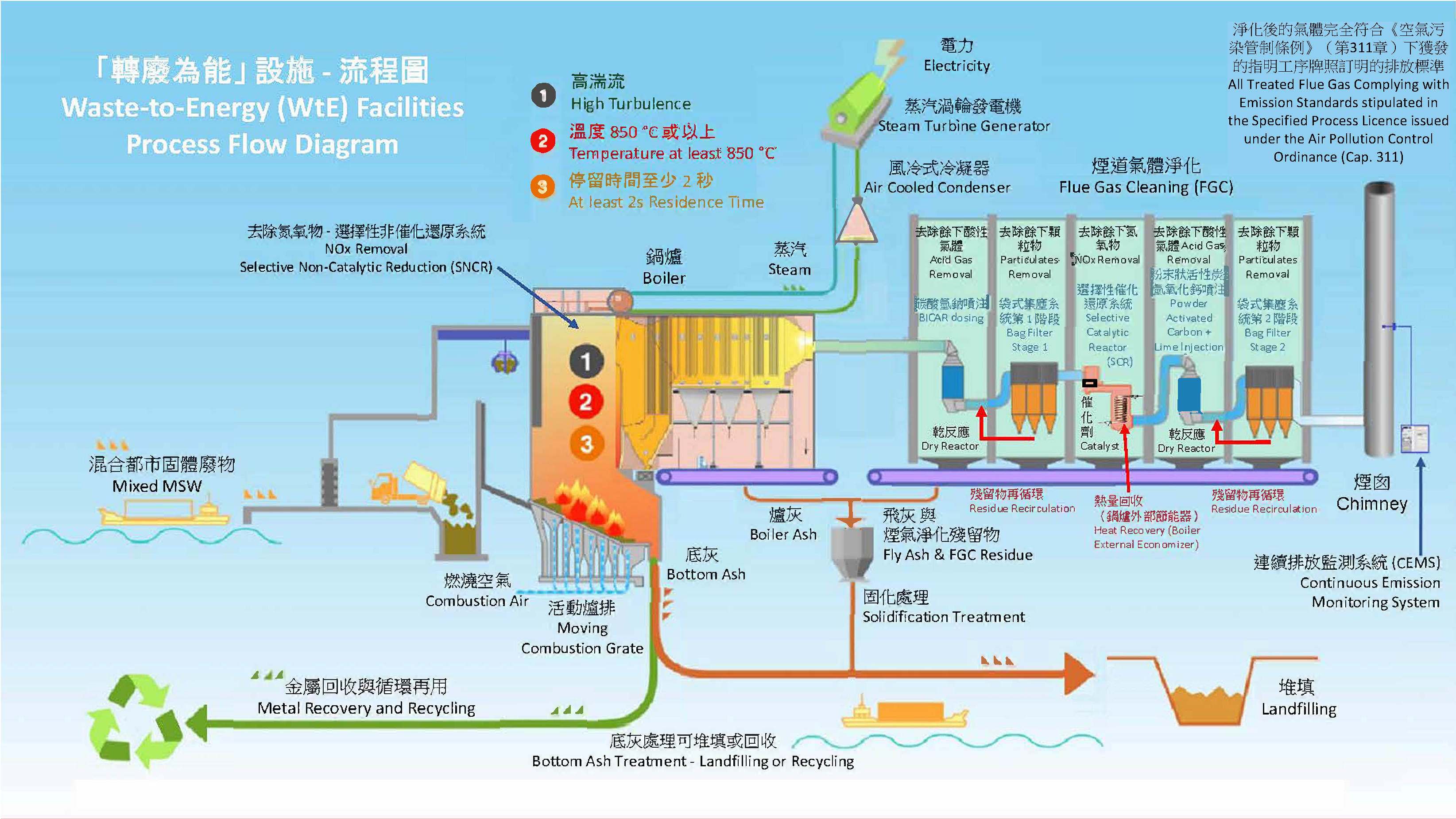
(Advanced incineration and flue gas treatment technology adopted by I·PARK1 - Process Flow Diagram)
Air quality monitoring stations of I·PARK1 have been set up at Shek Kwu Chau (SKC), Cheung Chau and South Lantau to provide objective data on local air quality to ensure that the operation of I·PARK1 will not affect the surrounding environment. An action level has been set at 95% of the emission limits to provide early alarm such that we can take appropriate actions according to a formulated plan which include ceasing the MSW feeding and preparing for shut down of the incineration system.
IWMF Site Selection
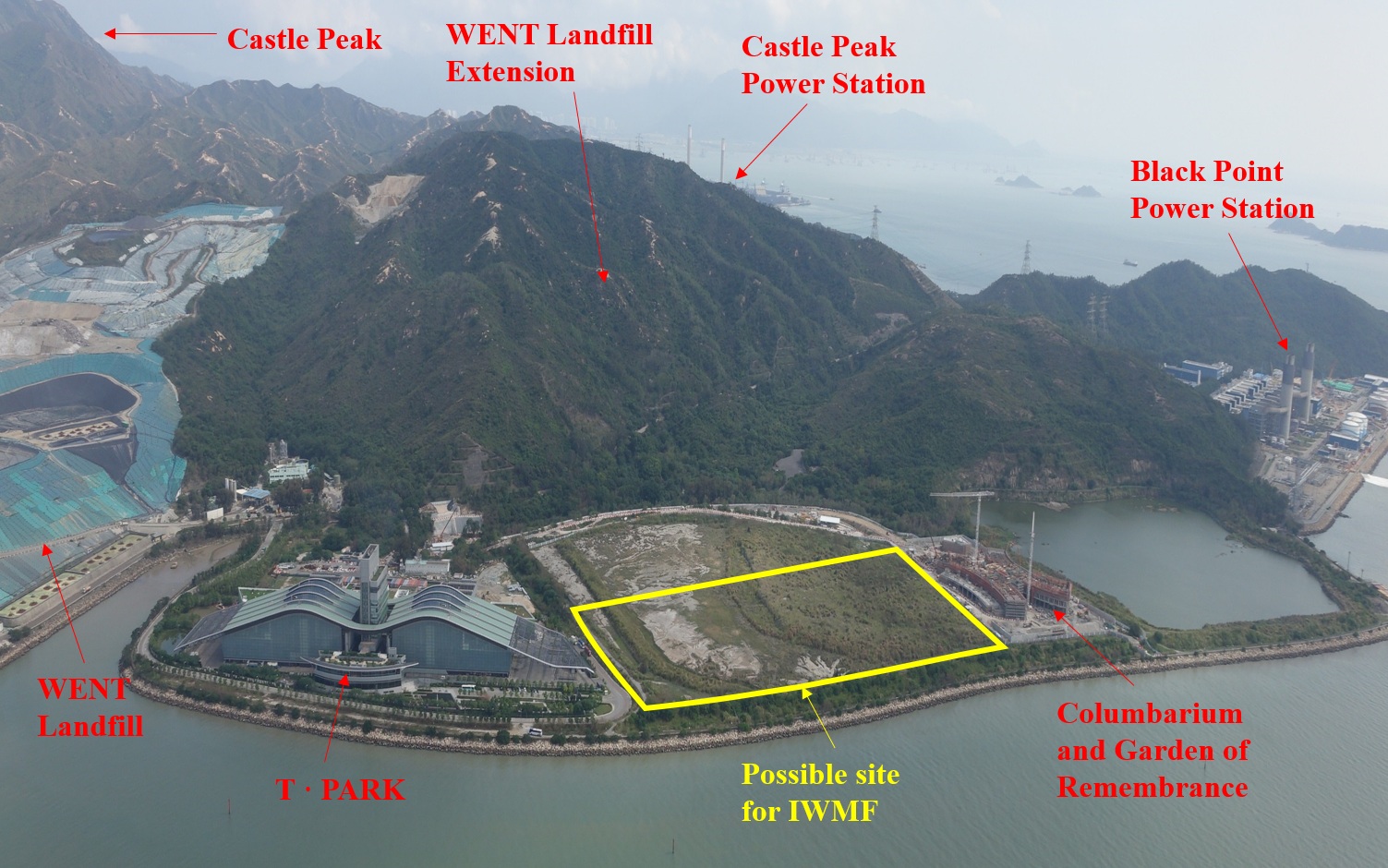
Tsang Tsui Ash Lagoons site
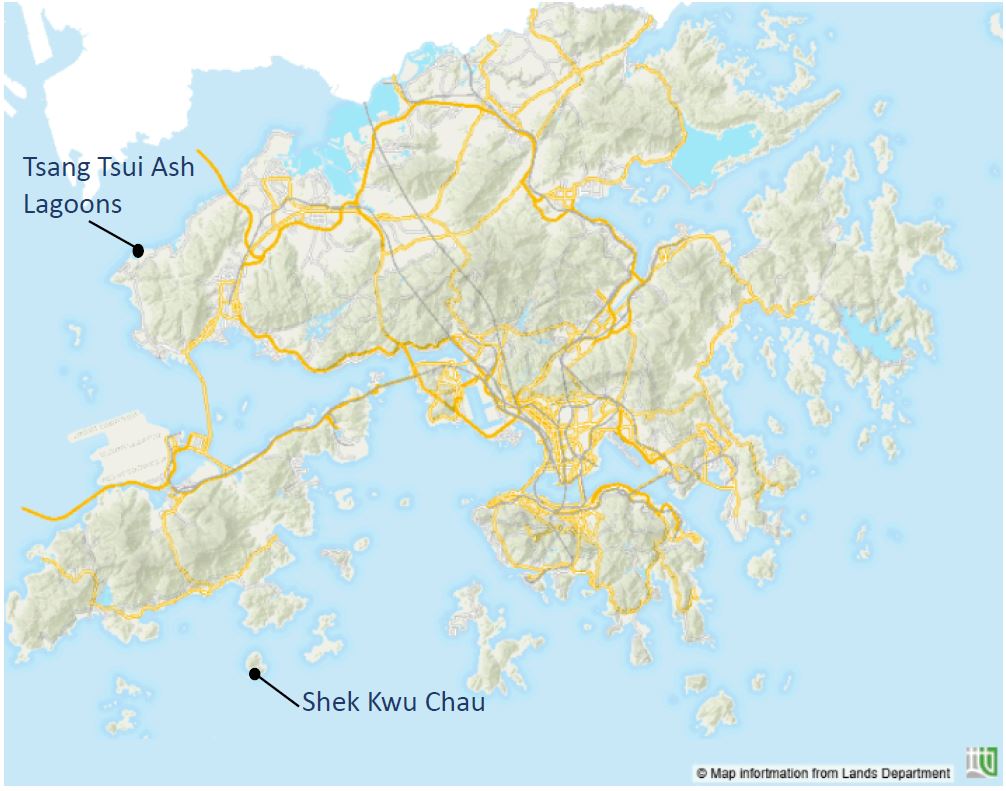
Potential Sites for the Development of IWMF
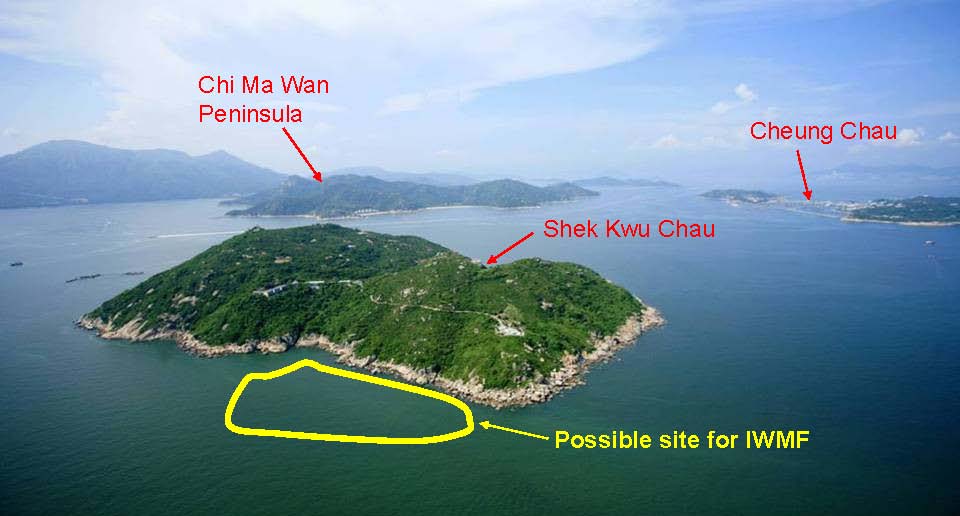
Shek Kwu Chau site
Engineering Investigation and Environmental Impact Assessment Studies
- it has the best proven track record of application in large MSW treatment facilities (i.e. over 3,000 tonnes per day (tpd));
- it is the most robust thermal technology, capable of treating different sizes and qualities of mixed MSW;
- it possesses the least operational complexity; and
- it requires the least capital and operating costs.
Technology Review
Having reviewed different thermal treatment technologies, the EI&EIA Studies proposed that the moving grate incineration be adopted as the core technology for MSW treatment. The advantages of this technology are that :-
For the artificial island near SKC, MSW compacted in tightly sealed containers and delivered by dedicated container vessels would be delivered by marine vessels from the existing refuse transfer stations including Island East Transfer Station, Island West Transfer Station and West Kowloon Transfer Station. For the Tsang Tsui Ash Lagoons site, MSW currently delivered to the berth of WENT Landfill by marine vessels or delivered directly to the WENT Landfill by land transport will be diverted from the WENT Landfill to the adjoining the Tsang Tsui Ash Lagoons site by land transport.
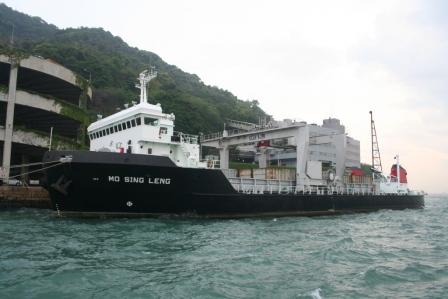
Waste container vessel
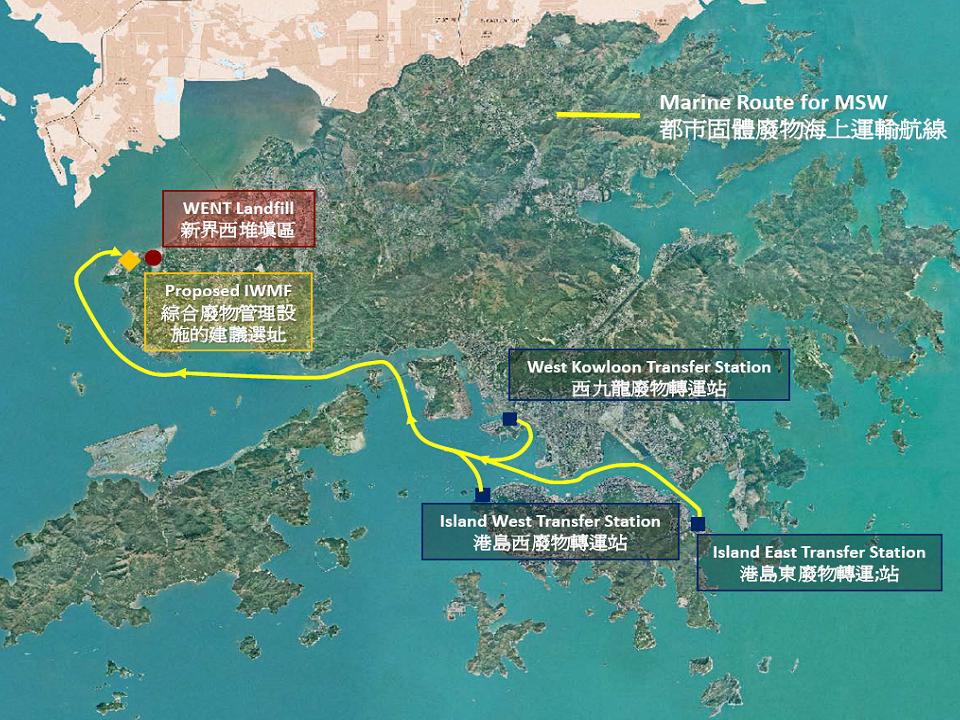
IWMF in Tsang Tsui Ash Lagoons site

IWMF in Shek Kwu Chau site
I·PARK1 Contract

Artist's Impression of the Integrated Waste Management Facilities Phase 1
Key features of the DBO contract:-
- design and construction of reclamation of about 16 hectares to form an artificial island near SKC and related works;
- design, construction and operation of an MSW incineration plant with a maximum treatment capacity of 3,000 tonnes per day;
- design, construction and operation of a mechanical sorting and recycling facility with a maximum treatment capacity of 200 tonnes per day;
- design and construction of associated architectural, building, civil and landscape works;
- design and installation of the electrical and mechanical works for the waste receiving and sorting facilities, waste incineration, heat recovery, power generation, pollution control and ash treatment systems;
- design and construction of mechanical and electrical works for utility services facilities including a desalination plant and a wastewater treatment plant.;
- design, construction and operation of power connection and export system; and
- provision of pollution control and environmental monitoring facilities.
Project progress:-
- Waste-to-energy facility I·PARK1's first giant electrical and mechanical equipment module arrives in Hong Kong
- Prefabrication of modules for waste-to-energy facility I·PARK1 completed
- Waste-to-energy facility I·PARK1 trial operation proceeds smoothly
Environmental Education Facilities
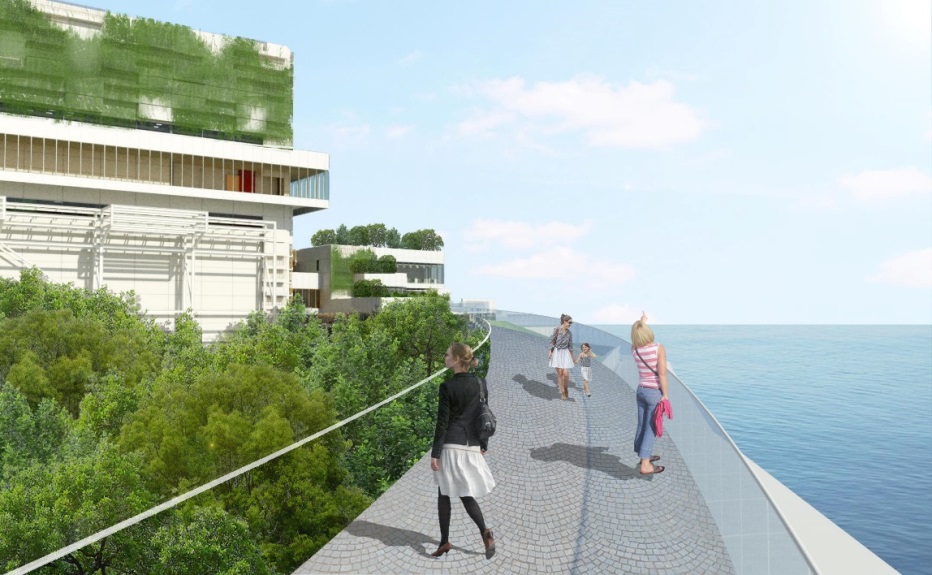
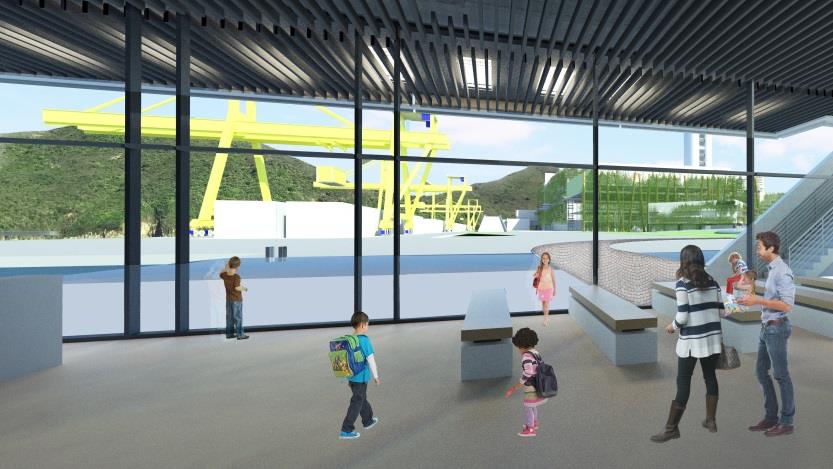
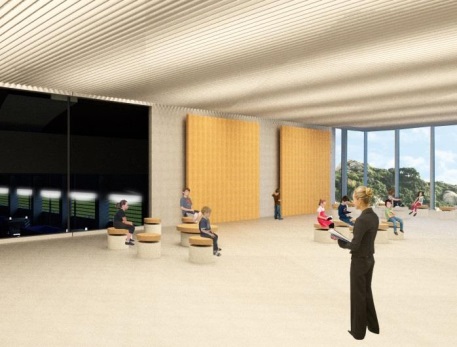
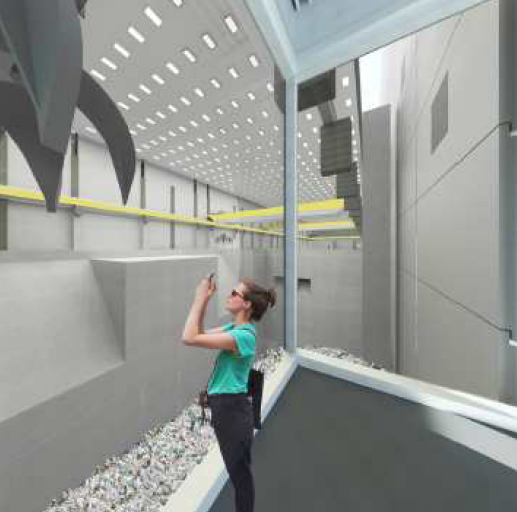
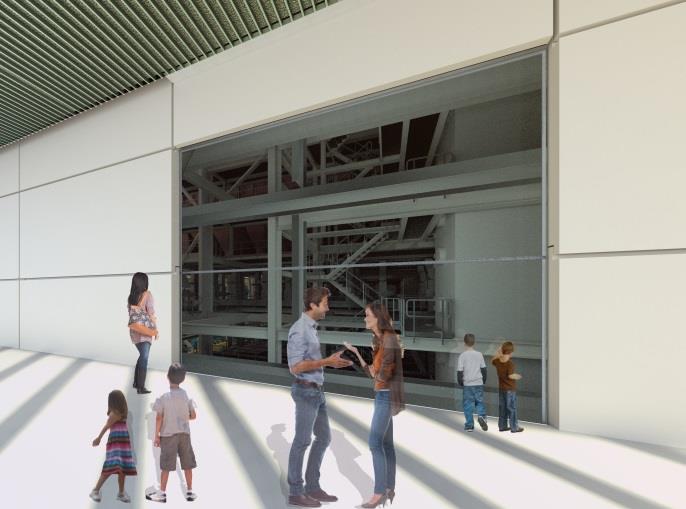
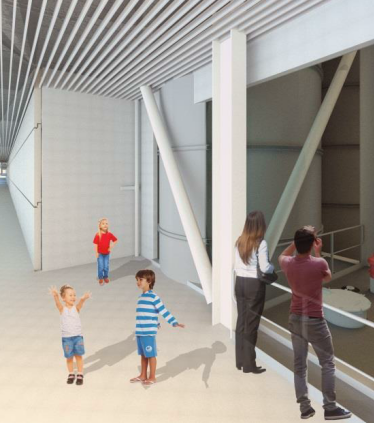
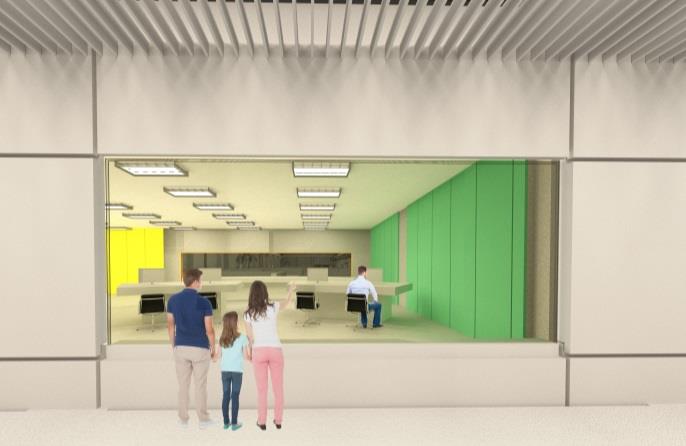
The environmental education facilities will be designed to give visitors an overview of the main components of I·PARK1, along with close-up learning experience at key areas such as the incineration process, flue gas treatment process, mechanical sorting and recycling facility and the central control room of the facility. In addition, ferry services will be provided between I·PARK1 and Cheung Chau/Central offering greater convenience for visitors.
Environmental Protection and Ecological Enhancement
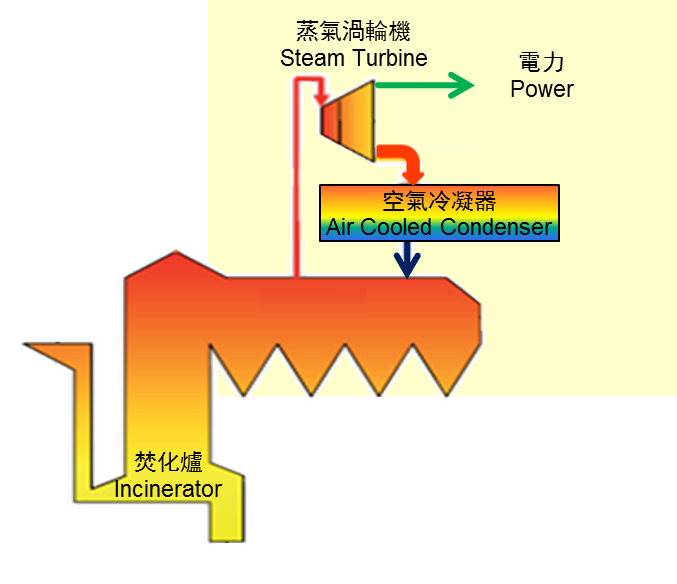
Through the replacement of fossil fuel in electricity generation and reduction in the volume of MSW for landfill disposal, it is estimated that about 440,000 tonnes of greenhouse gas emission per year can be curtailed.
Surplus Electricity Export
Finless Porpoise Monitoring
Coral Survey
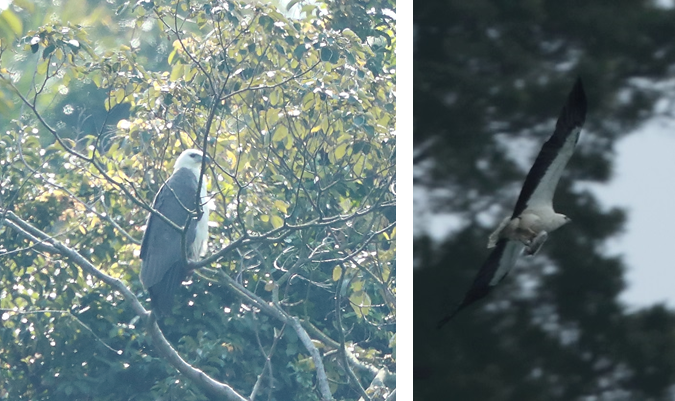
White-bellied Sea Eagle Monitoring
An advanced ground treatment method, i.e. deep cement mixing (DCM) is used to reinforce the marine mud in situ to control settlements and movements of the reclamation to within acceptable limits and to ensure that the construction of the artificial island can be completed within a reasonable time frame.
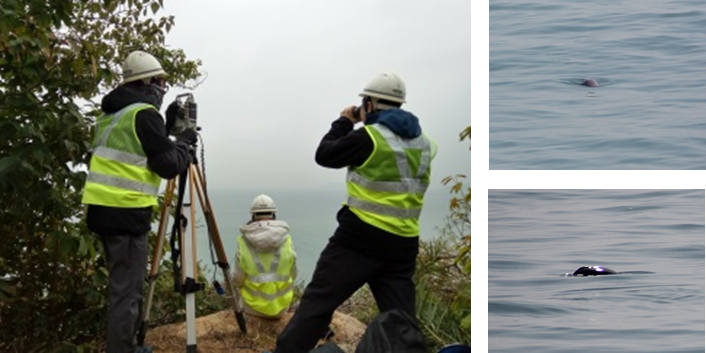
The DCM has been designed to ensure that the reclamation is safe and any residual settlements and movements will not affect the operation and service of I·PARK1. Precast concrete structure has been used for the seawall and breakwater construction to minimize underwater acoustic disturbance to Finless Porpoise and water quality impacts during construction.
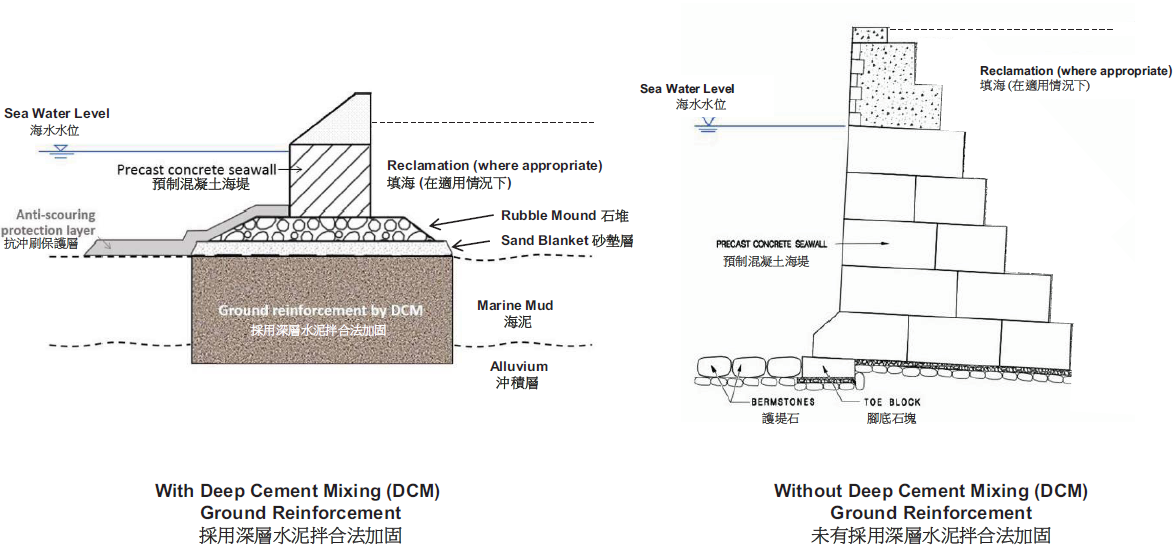
Deep Cement Mixing
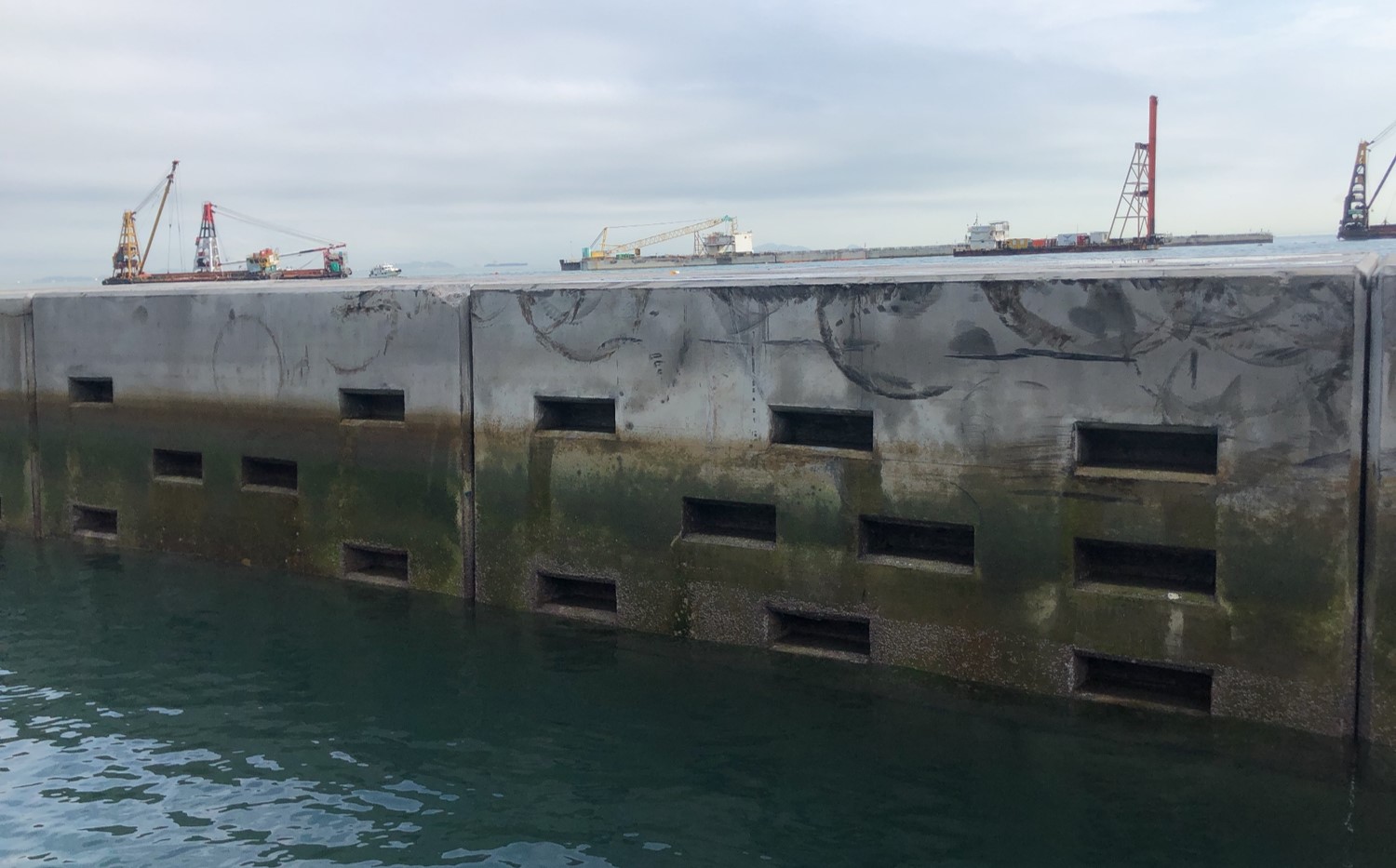
Eco-shoreline at I·PARK1 Facing Shek Kwu Chau
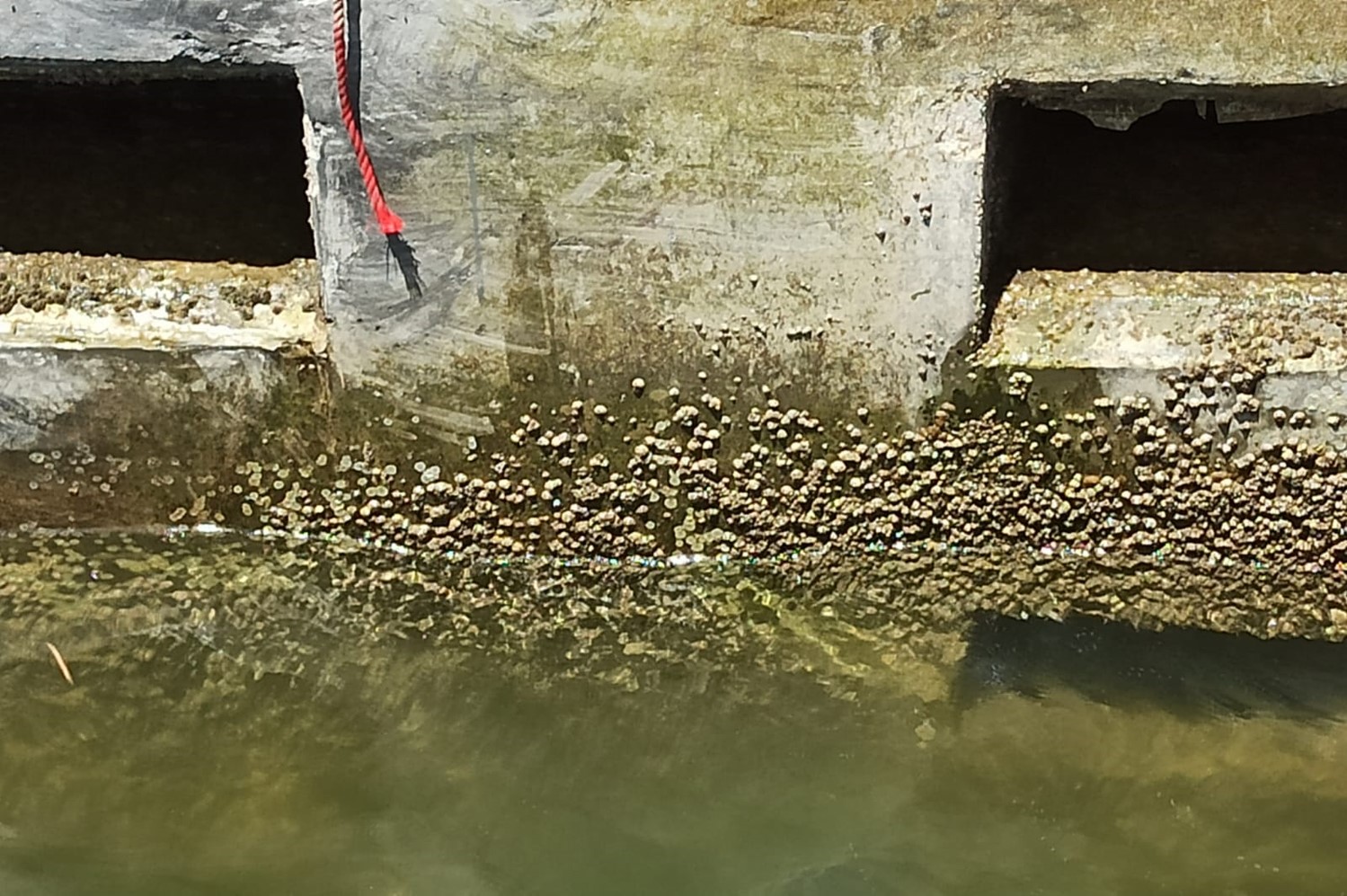
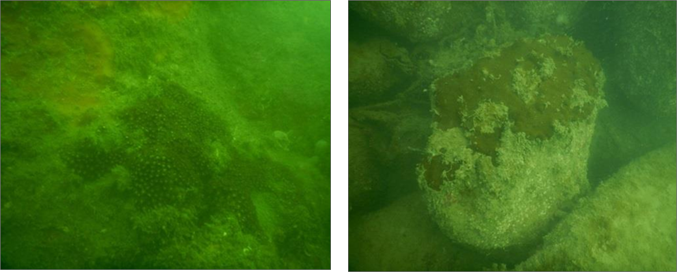
Cavities and Marine Organisms along the Eco-shoreline of I·PARK1
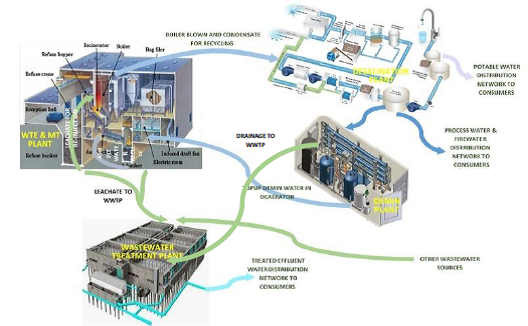
Water Balance Schematic Diagram
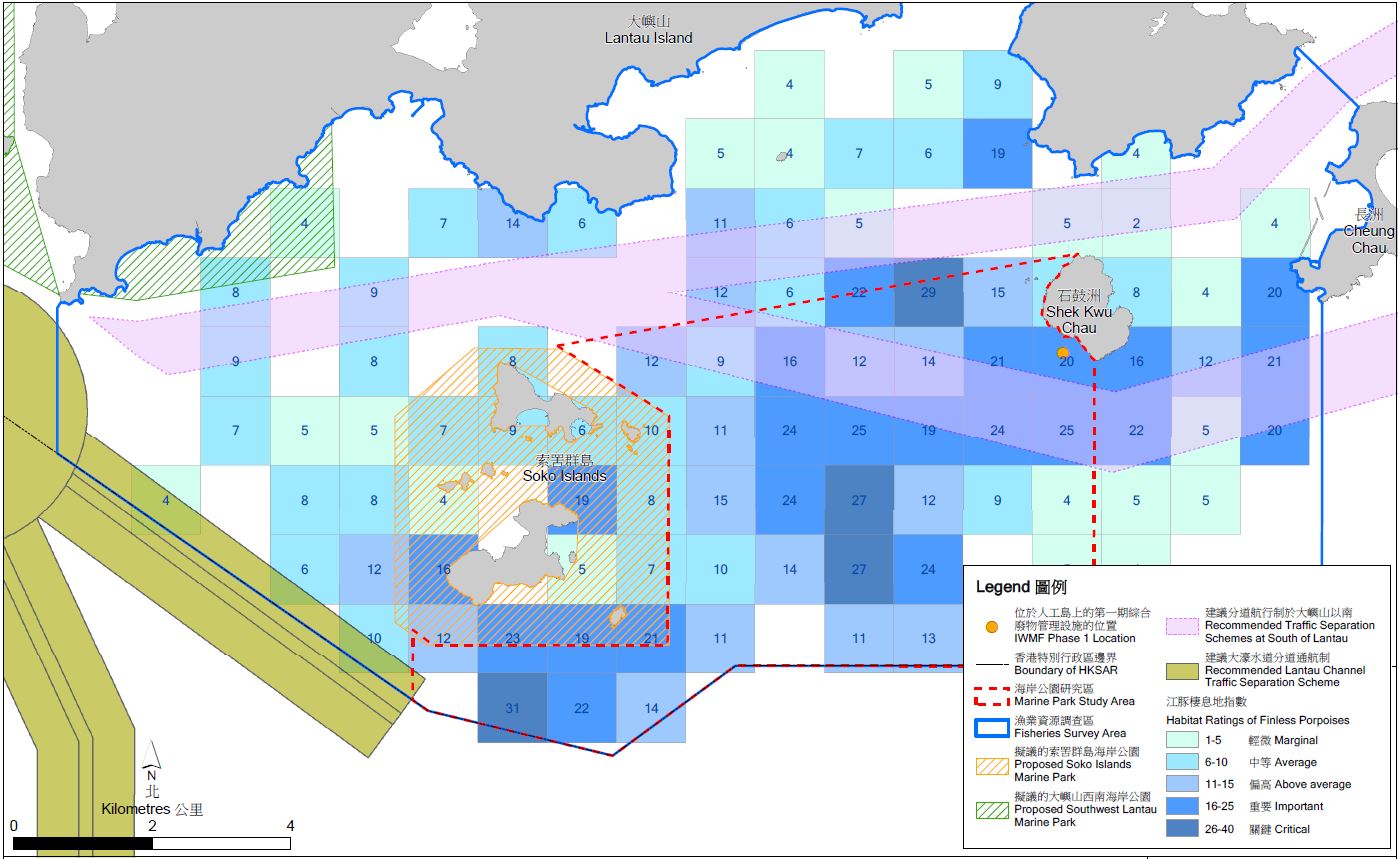
Habitat Ratings of Finless Porpoises between 2005 and 2014
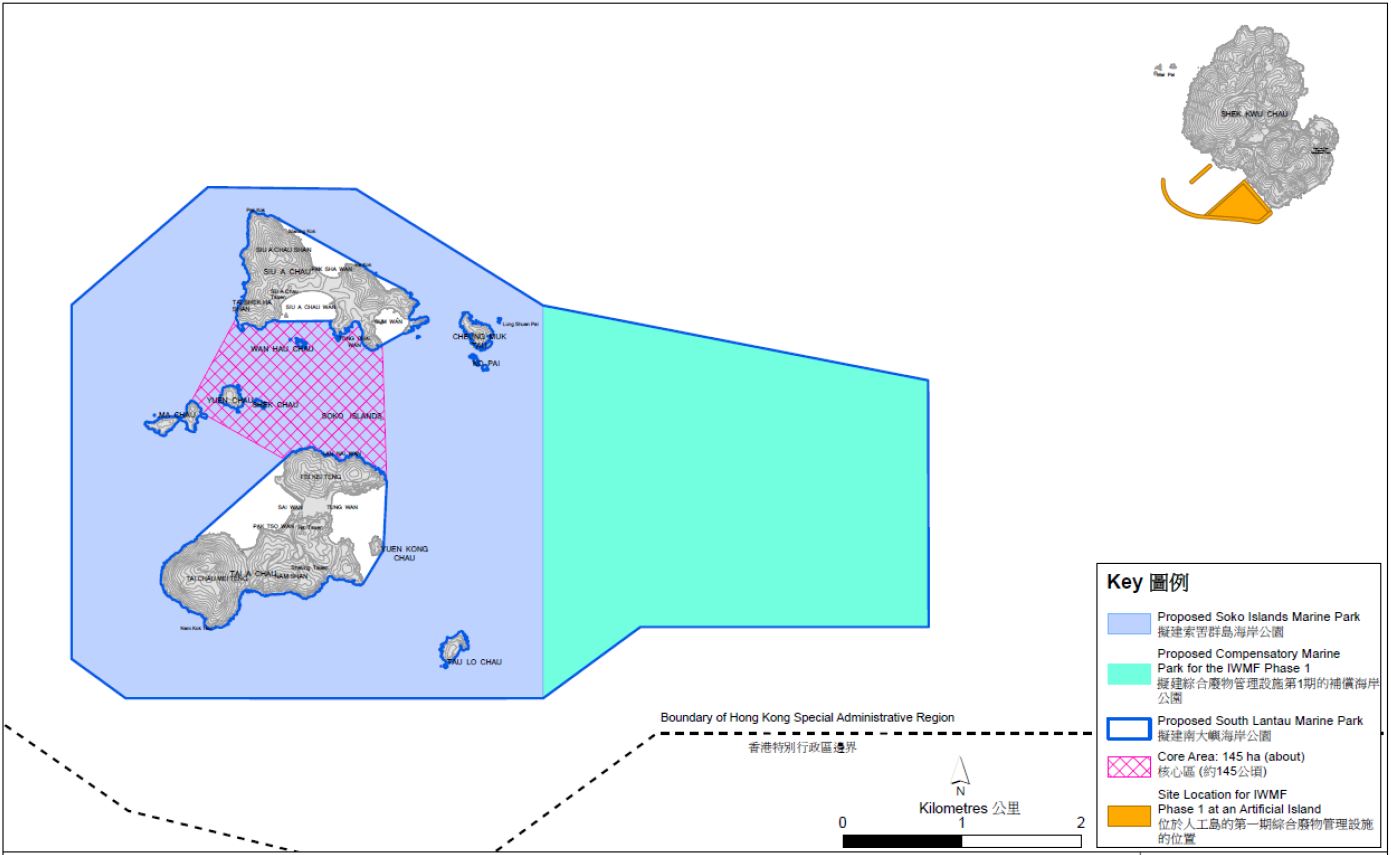
The proposed South Lantau Marine Park
To achieve better synergy in the future management and operation of the marine parks, and taking into account the sizable movement ranges and high mobility of Chinese White Dolphin and Finless Porpoise, it was proposed to combine the proposed compensatory marine park and the proposed Soko Islands Marine Park into a larger single marine park of approximately 2,067 hectares, namely the South Lantau Marine Park. The South Lantau Marine Park was designated on 30 June 2022.
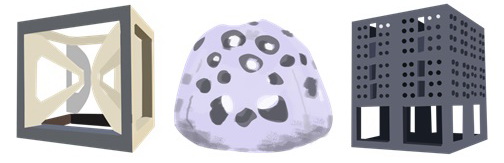
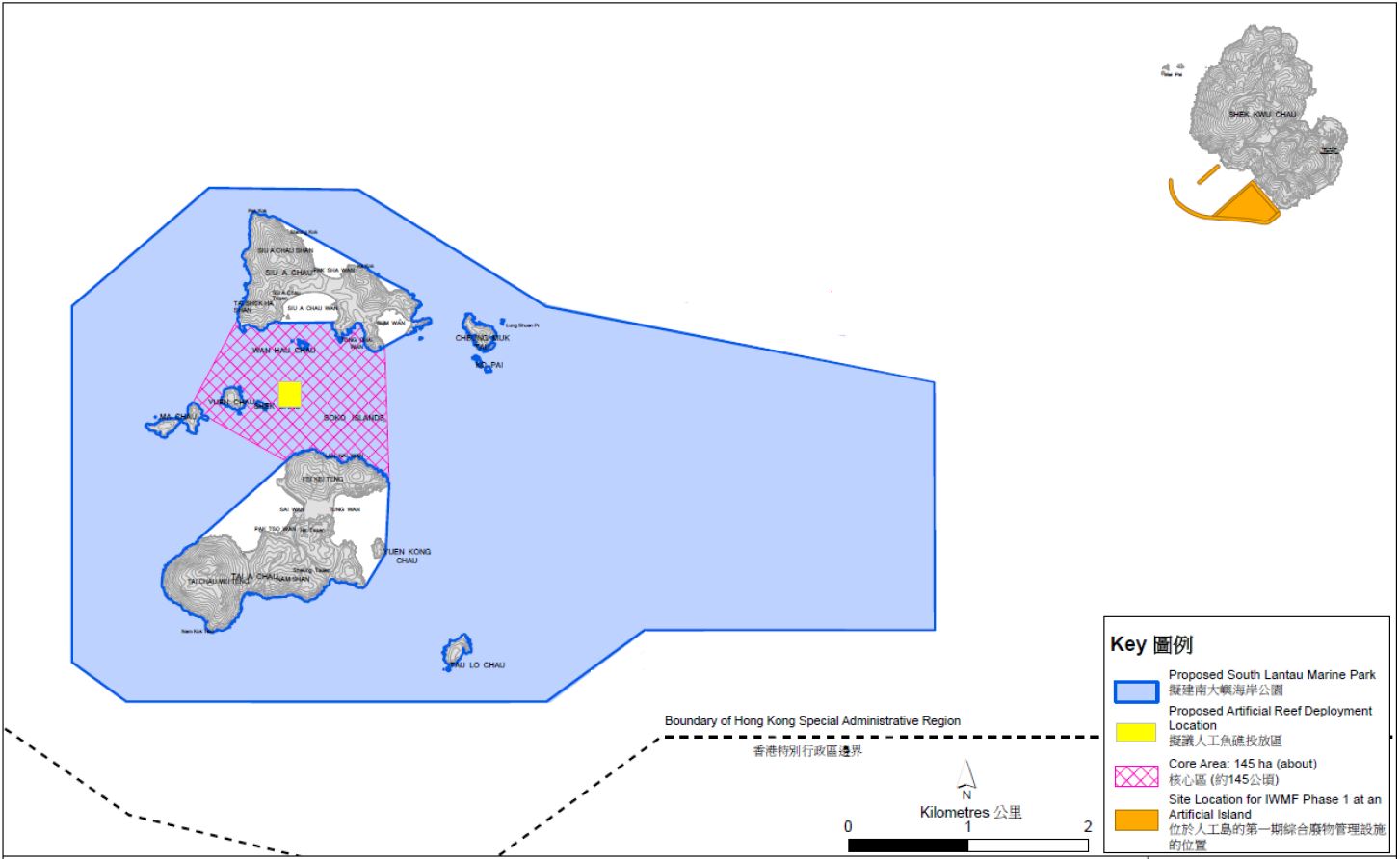
The Proposed Location of Artificial Reefs Deployment
In addition, fish fry and fingerlings will be released at the artificial reefs to be deployed within the South Lantau Marine Park and at the eco-shoreline constructed under I·PARK1 to further enhance the fisheries resources in South Lantau waters.
To evaluate the effectiveness of the artificial reefs deployment and fish restocking as fisheries enhancement measures, a series of monitoring works including fisheries resources monitoring by gill netting and hand lining, artificial reef structural monitoring by side-scan sonar and fish restocking monitoring by hand lining will be conducted.
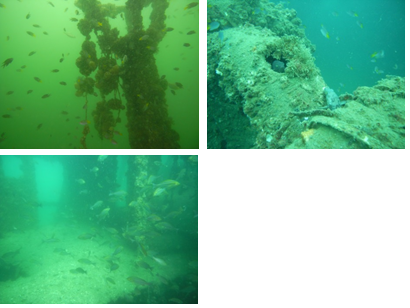
Restocking of fish fry / fingerlings at artificial reefs
Material Recovery
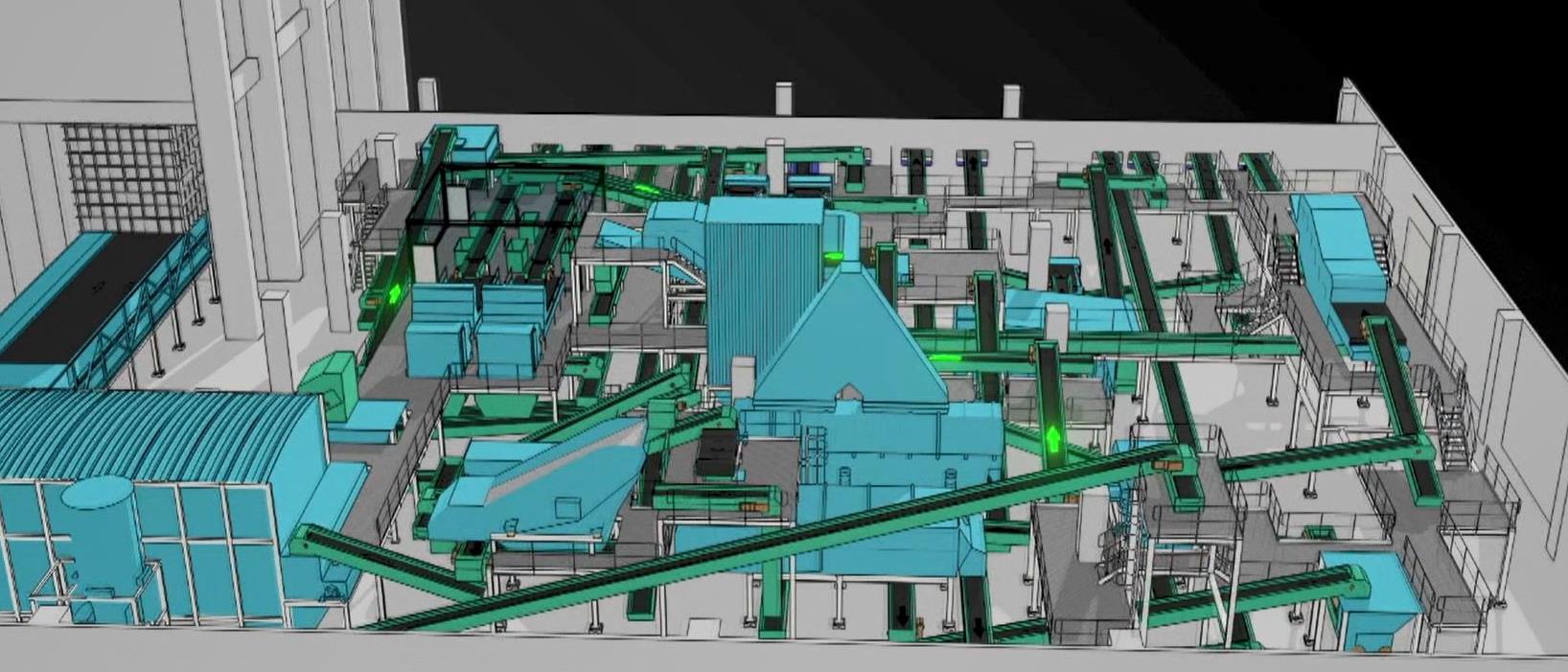
Mechanical Sorting and Recycling Facility
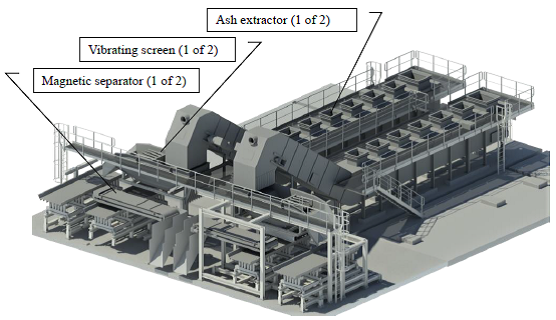
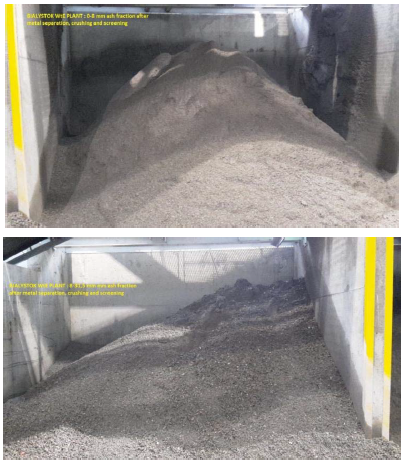
Bottom Ash Treatment
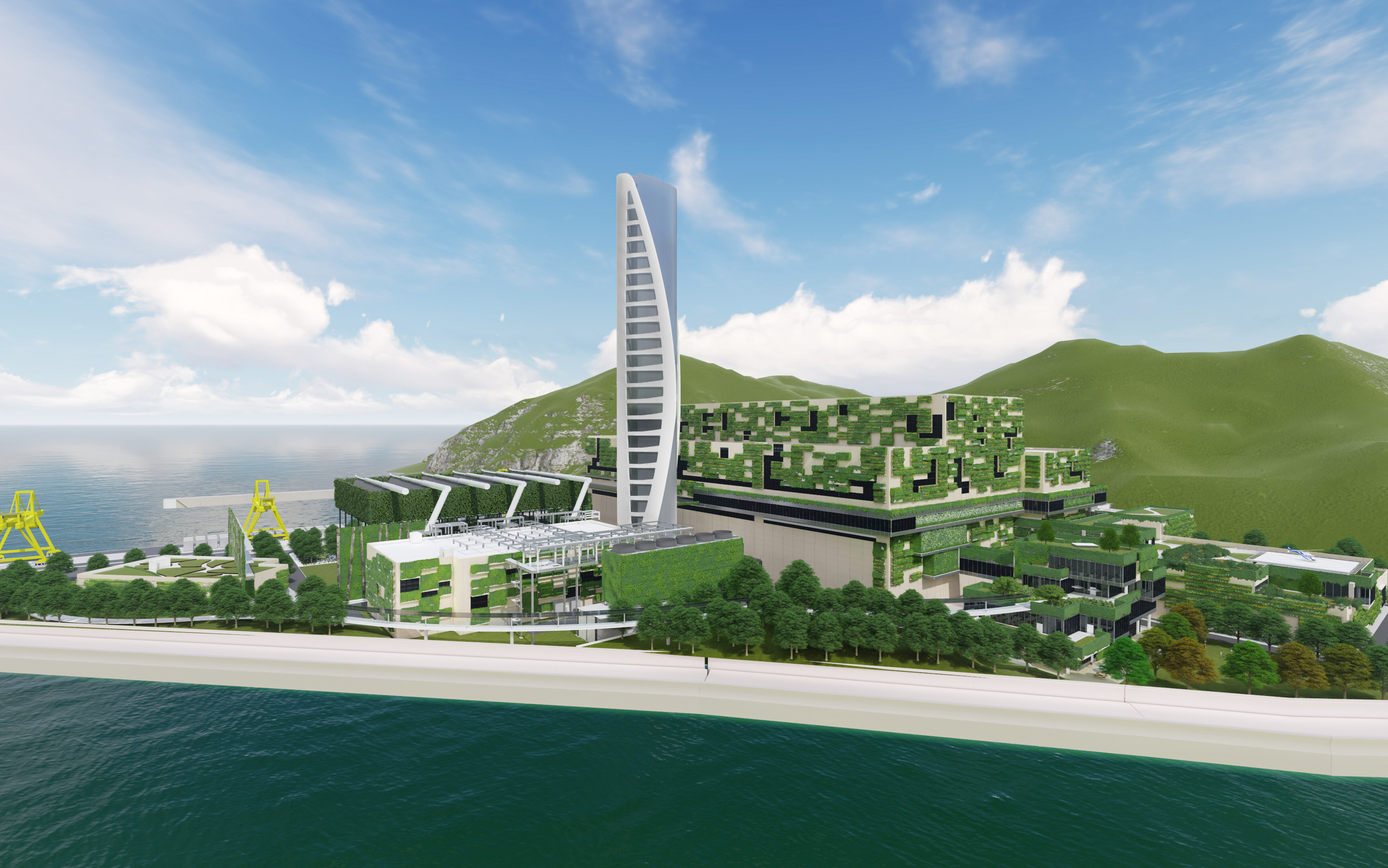
Architectural and Landscaping Design
Community Liaison
|
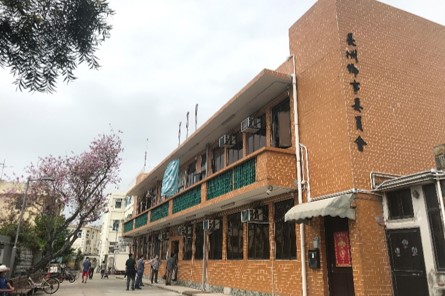
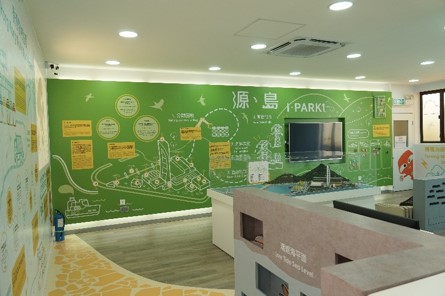
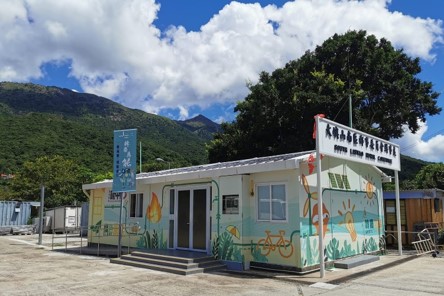
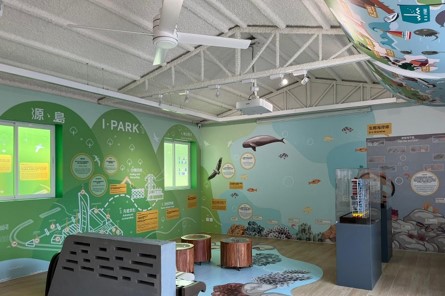
To enhance local communication, the contractor established the “Community Liaison Group (CLG)” in 2018 after being awarded the contract of I·PARK1, providing a 24-hour hotline and an email-address for public enquiry and meetings with local groups from time to time to elaborate project progress and to know more about their concerns. The present CLG members are comprised of representatives of Environmental Protection Department, the contractor, Islands District Council, relevant Rural Committees, fishery sector and other key local stakeholders, as well as community leaders. Environmental monitoring and audit (EM&A) data are regularly uploaded to the contractor’s project website for public inspection. Environmental Protection Department also reports and provides the EM&A data to the members of CLG and Islands District Council on a regular basis. For convenience of having close communication with local residents during the construction period of I·PARK1, project promotion, and provision of education information of waste-to-energy facilities, our Cheung Chau Information Office (Address : 1/F, Cheung Chau Rural Committee, 2 Church Road, Cheung Chau) and South Lantau Information Office (Address : South Lantao Rural Committee, Chi Ma Wan Road, Pui O Lantau New Territories) have been officially opened at the end of 2020 and April 2022 respectively. Please come to visit us (no reservation needed; free of charge). Cheung Chau Information Office (Address : 1/F, Cheung Chau Rural Committee, 2 Church Road, Cheung Chau
South Lantau Information Office (Address : South Lantao Rural Committee, Chi Ma Wan Road, Pui O Lantau New Territories) Note: For the latest version of maps, please refer to the website here: https://www.map.gov.hk/gm/.
|