Part III : How to Conduct SEA?
A Generic SEA Process - An Iterative Process
Generic Steps of SEA
(click any box for details)

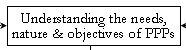
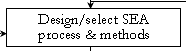
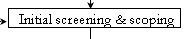
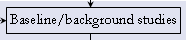
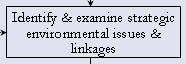
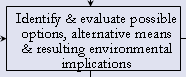

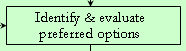
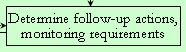


Step 5 : Identification & Examination of Relevant Strategic Environmental Issues and Linkages
Based on the findings assembled in Step 4, environmental constraints, issues, opportunities as well as their linkages should be identified and examined, providing inputs to the next step where appropriate. In the identification and examination process, both the characteristics of impact generators and impacts receivers should be taken into account. For instance, in RDS2, the impact generators (i.e. railway networks’ and developments’ characteristics) and the impact receivers (i.e. the characteristics on environment and sensitive land uses) should be fully considered.
https://www.pland.gov.hk/pland_en/p_study/comp_s/hk2030plus/index.htm
During the Study, the following environmental constraints and their possible opportunities were identified and examined in a systematic manner:
Environm-ental Issue |
Constraints |
Possible |
Noise |
|
|
Air |
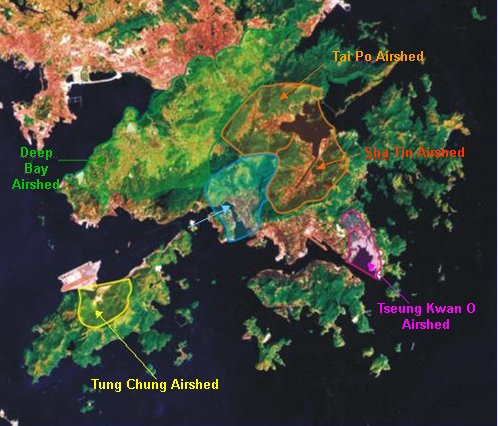
Figure 10 - Confined Airsheds identified in HK 2030 : Planning Vision and Strategy |
|
Water Quality |
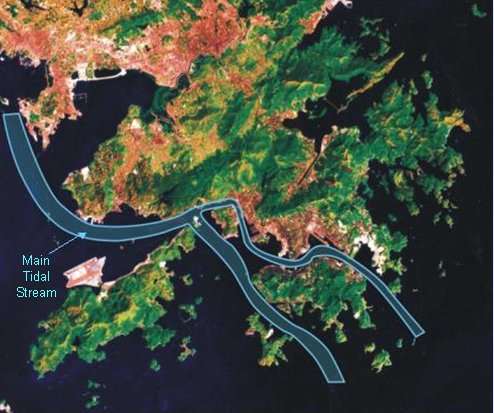
Figure 11 - Territorial Water Quality Constraints identified in HK 2030 : Planning Vision and Strategy |
|
Waste |
|
|
|
Energy and Natural Resources
|
|
|
|
Greenhouse Gas
|
|
|
|
Risk
|
|
|
Besides, the following environmentally sensitive areas were identified and examined:
|
Site of Special Scientific Interest
|
|
Country Parks
|
|
Marine Parks
|
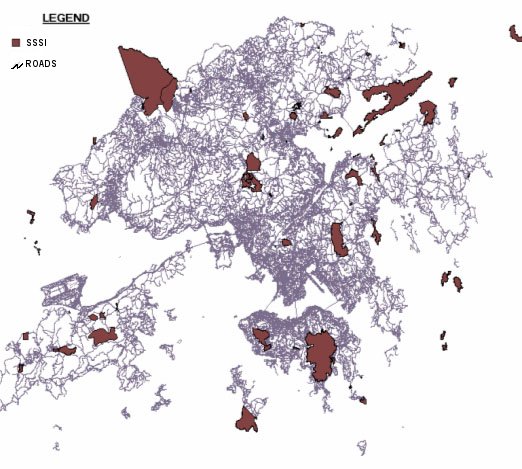
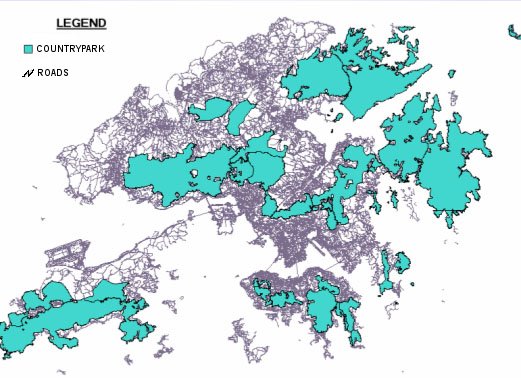
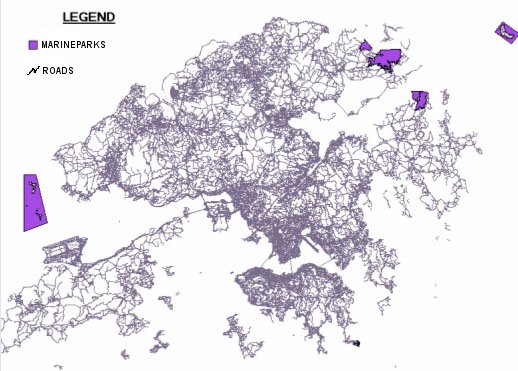
Figure 12 - Environmentally sensitive areas identified in HK 2030 : Planning Vision and Strategy
| [ << BACK PAGE ] [ 9 / 37 ] [ NEXT PAGE >> ] |