



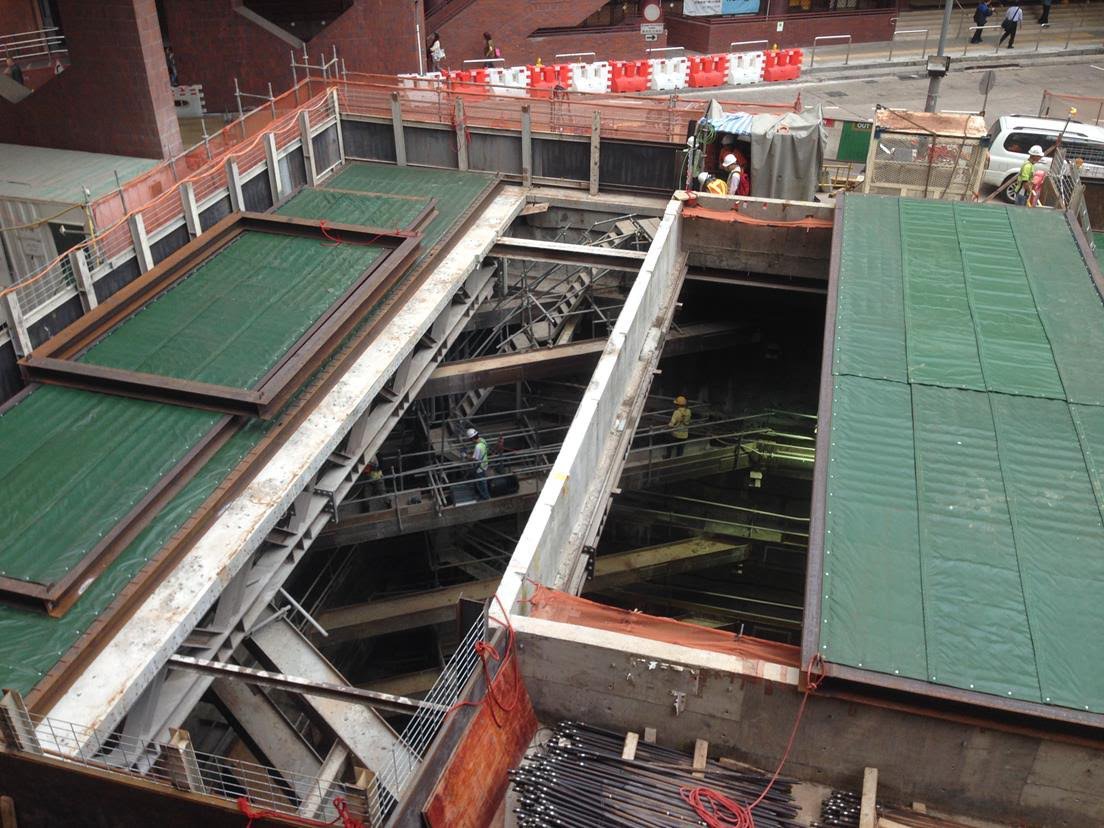
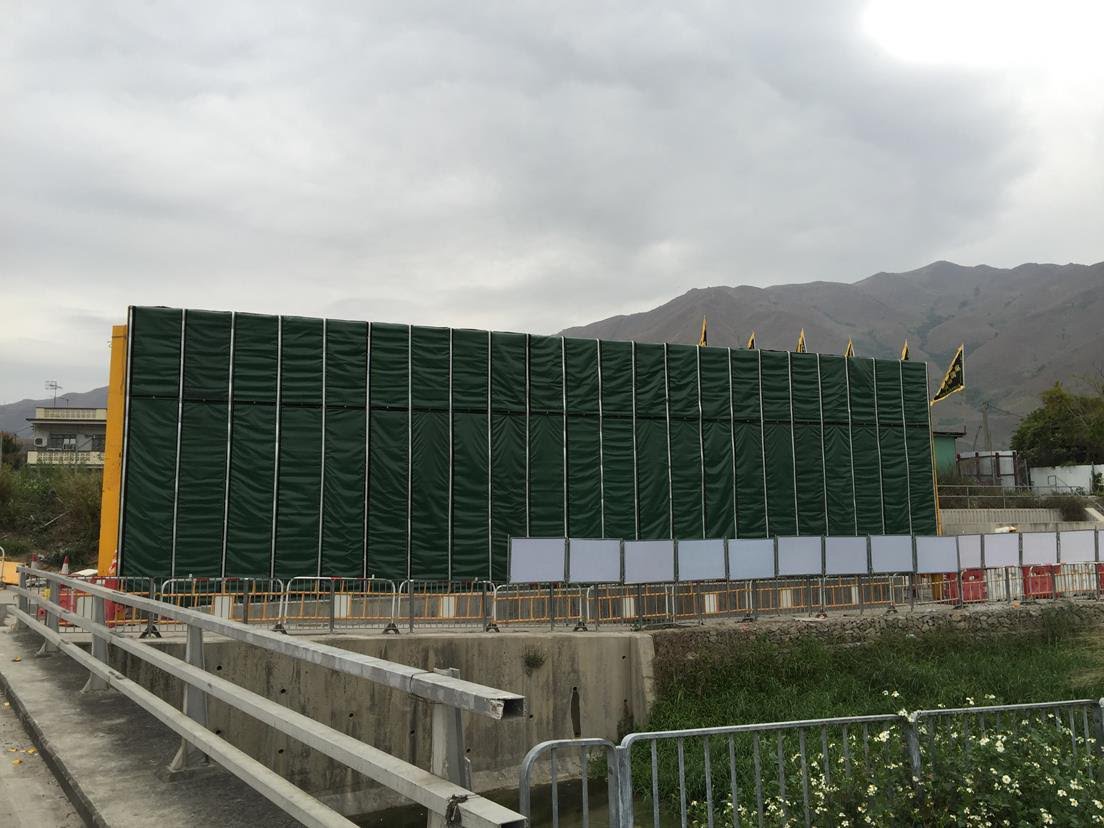
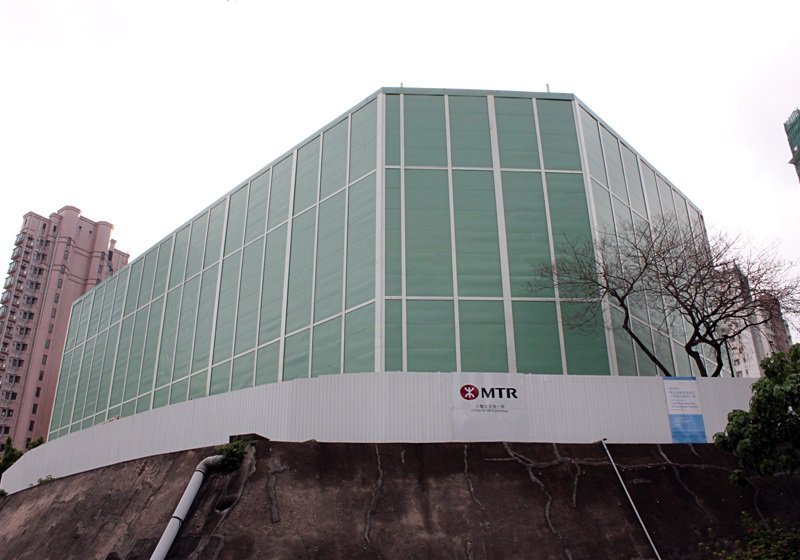
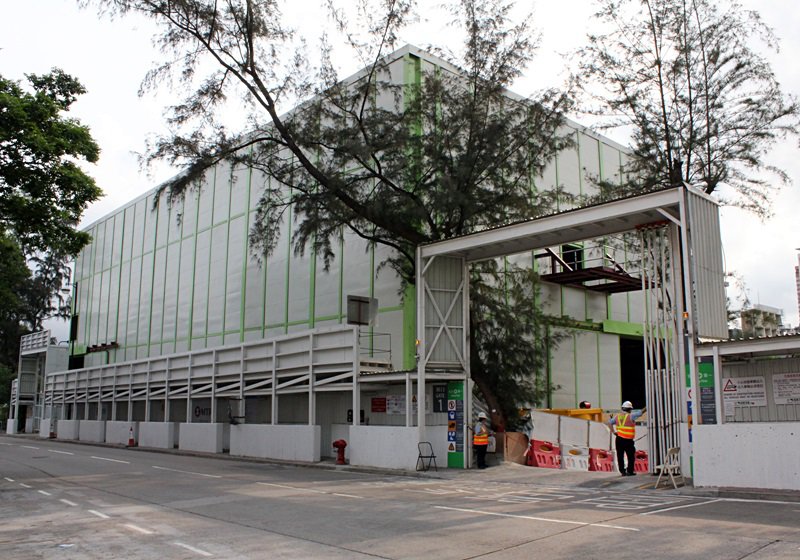
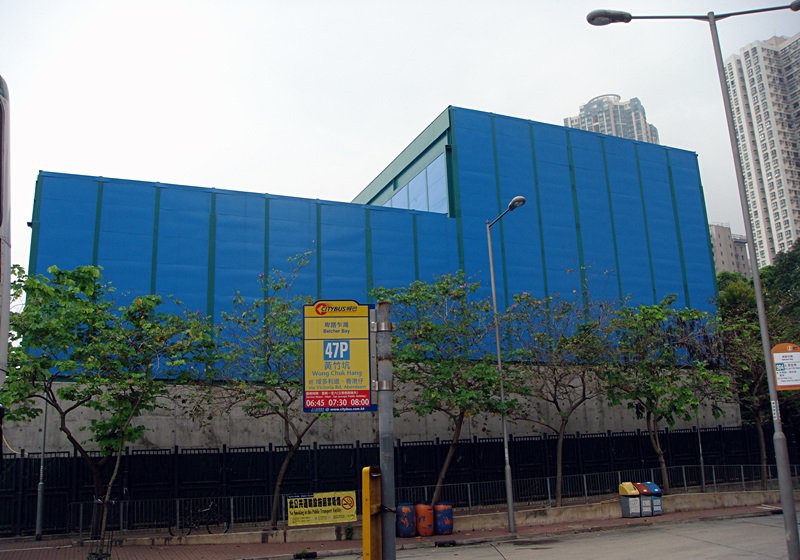
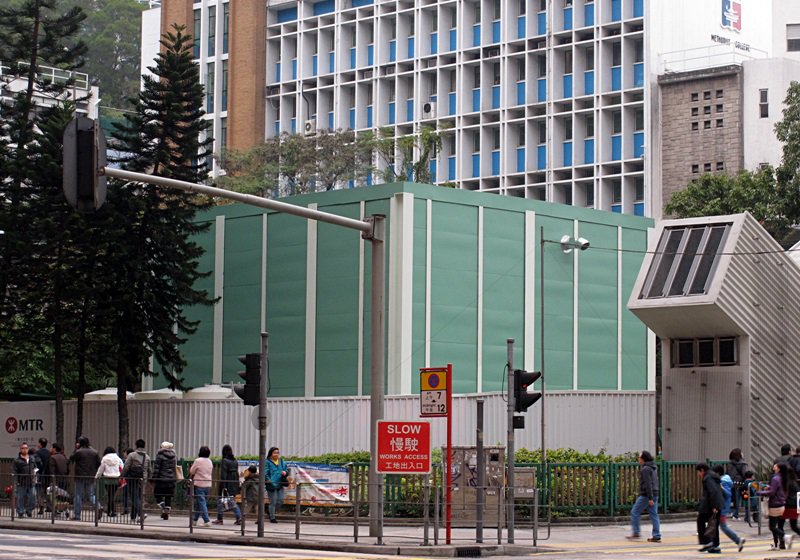

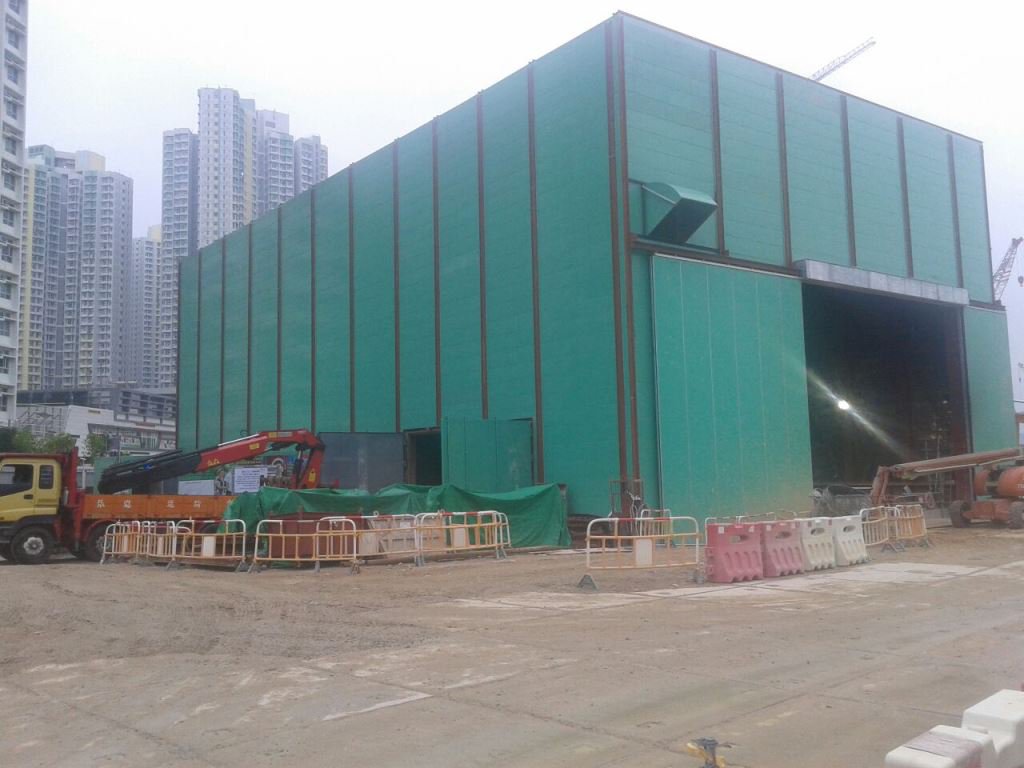
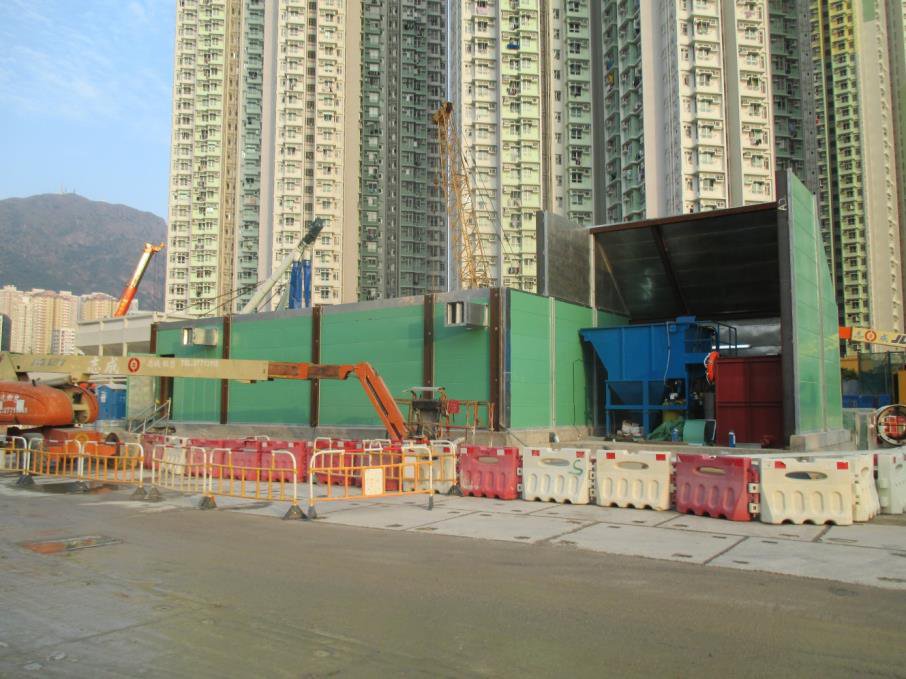
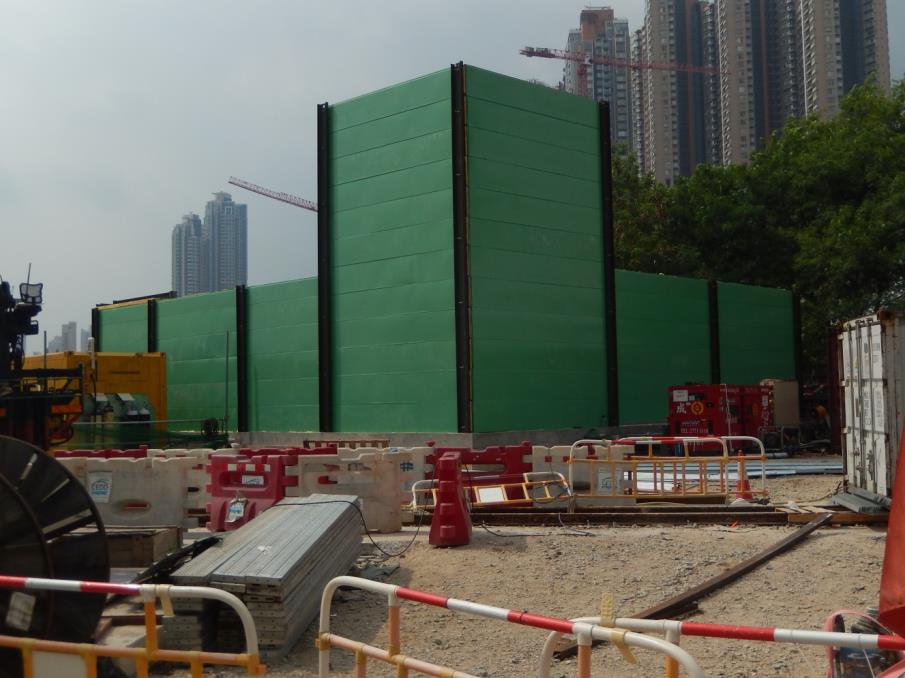
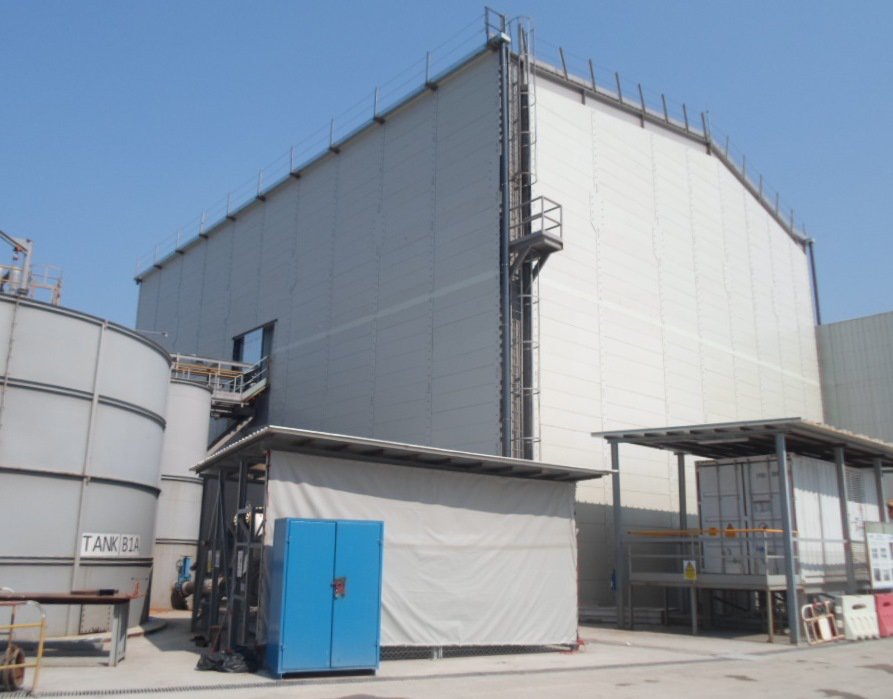
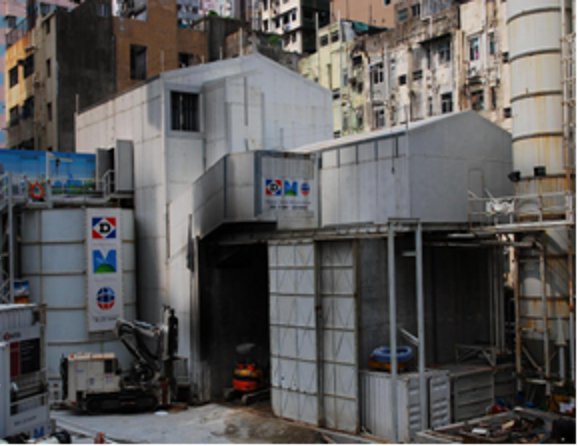
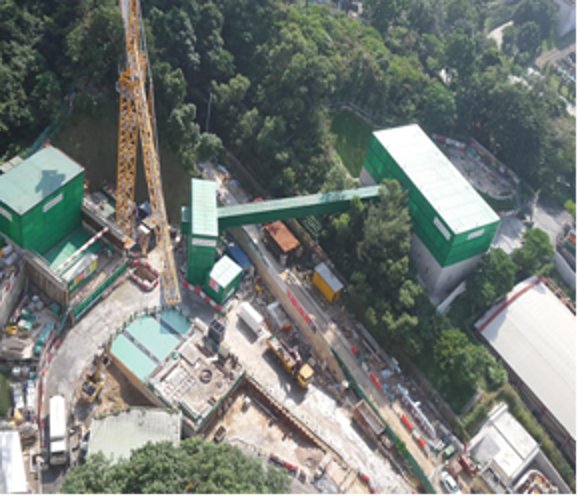
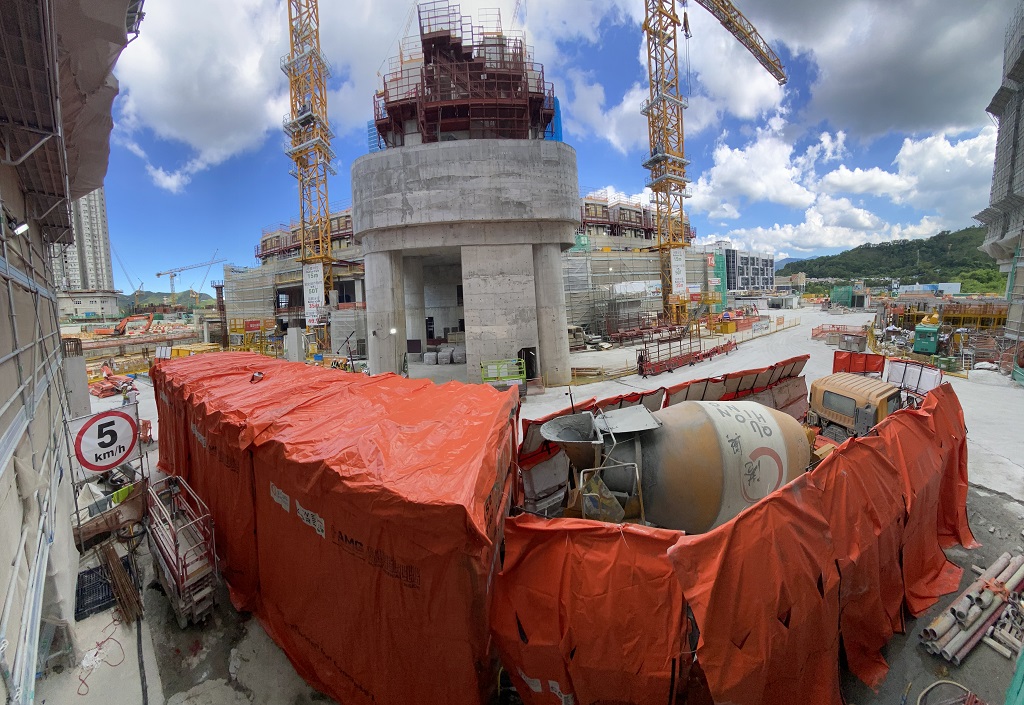
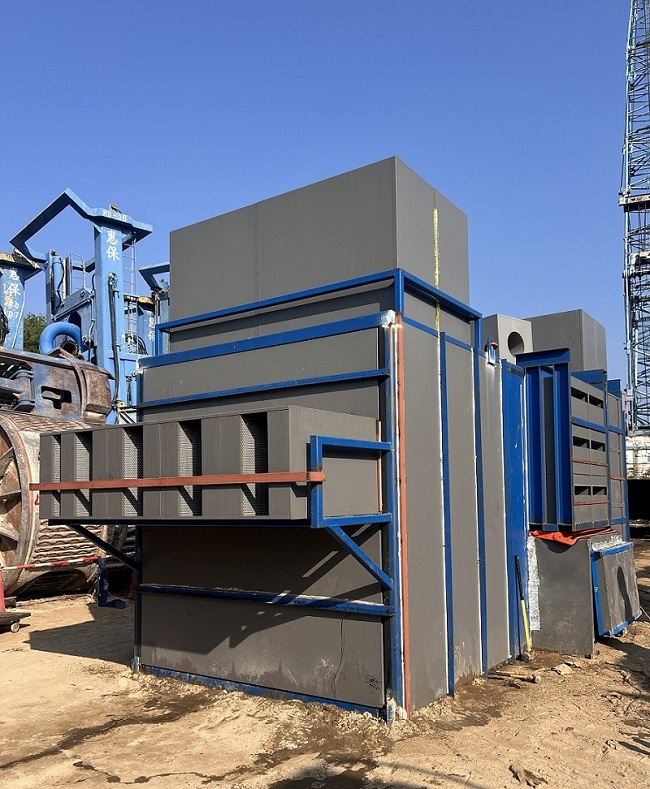
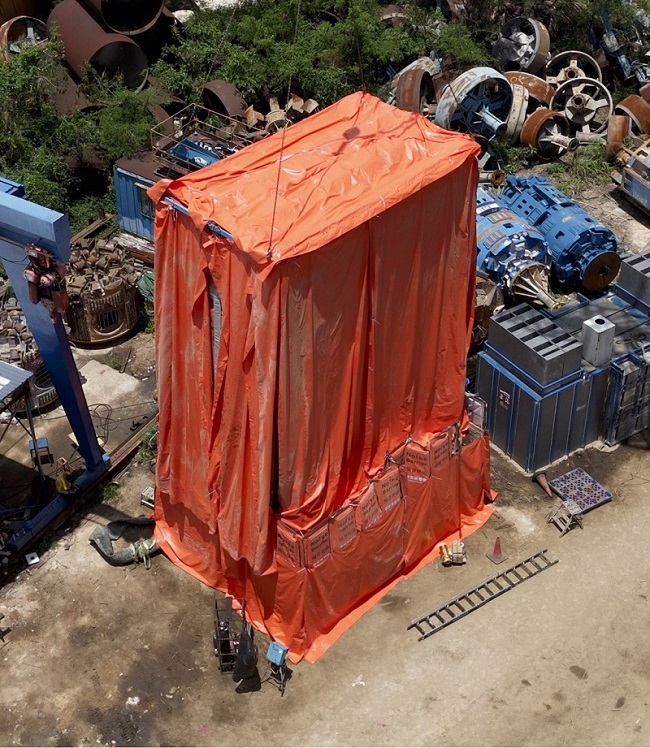
Use of acoustic enclosure for stationary plant can achieve a noise reduction up to 20dB(A) easily. The enclosure should cover the machine as fully as possible and the inside of it should be lined with sound absorbing materials such as mineral wool, woodwool propriety absorbent tiles or fiberglass. Such enclosures can be constructed from a variety of readily available building materials or can be constructed from commercially available panels which are lined with sound absorbing materials to achieve the maximum sound attenuation. Any opening in the enclosure will tend to compromise the noise reduction effect and should therefore be minimized. Where access and forced ventilation is required for the enclosure, proper acoustic door and suitably designed silencers fitted with the air intake and outlet should be carefully considered.
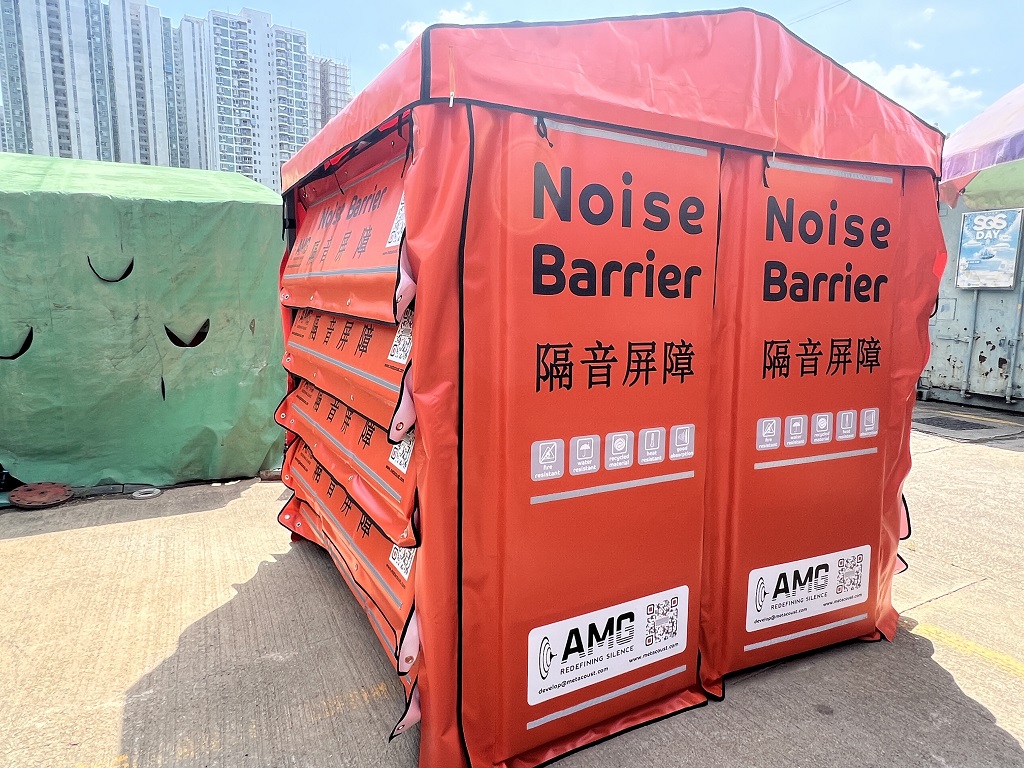
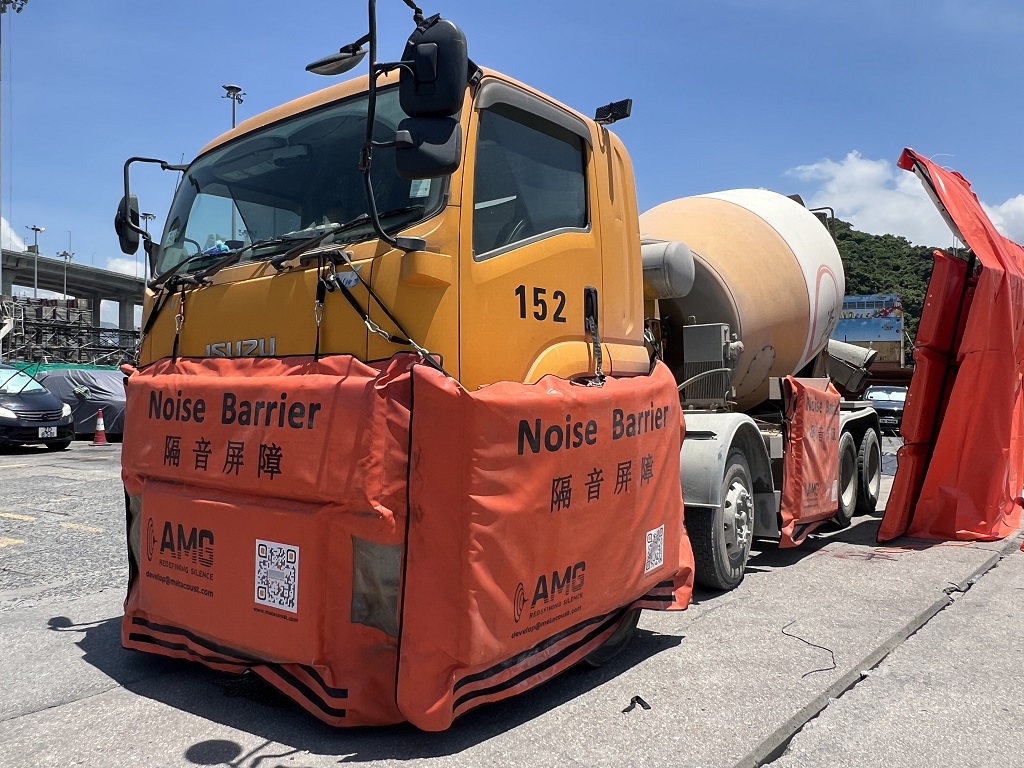
"Acoustic metamaterial" is a branch of "metamaterial" that has emerged in applied physics research in recent decades. Unlike conventional materials, the acoustic properties for noise reduction are derived from the specially designed structure and geometries that exhibit resonance characteristics. It can be tailored to create unique configurations that match the targeted frequency bands of sound waves. The surface mass density of acoustic metamaterials is lighter than that of the traditional acoustic barrier systems, which lessens physical strain on workers during handling and improves construction safety. Metamaterial can also be produced from recycled plastics, contributing to waste recycling, circular economy, and environmental protection. This advanced technology has been applied in different construction activities like road works, nighttime railway maintenance works, concreting and associated works etc.
Courtesy of APAC Building Acoustics Limited
Courtesy of NAP Acoustics (Far East) Ltd.
Courtesy of Industrial Acoustics Co. (HK) Ltd.
Courtesy of Wilson Acoustics Limited
Courtesy of Acoustic Metamaterials Group Limited